








United States: ESIGN
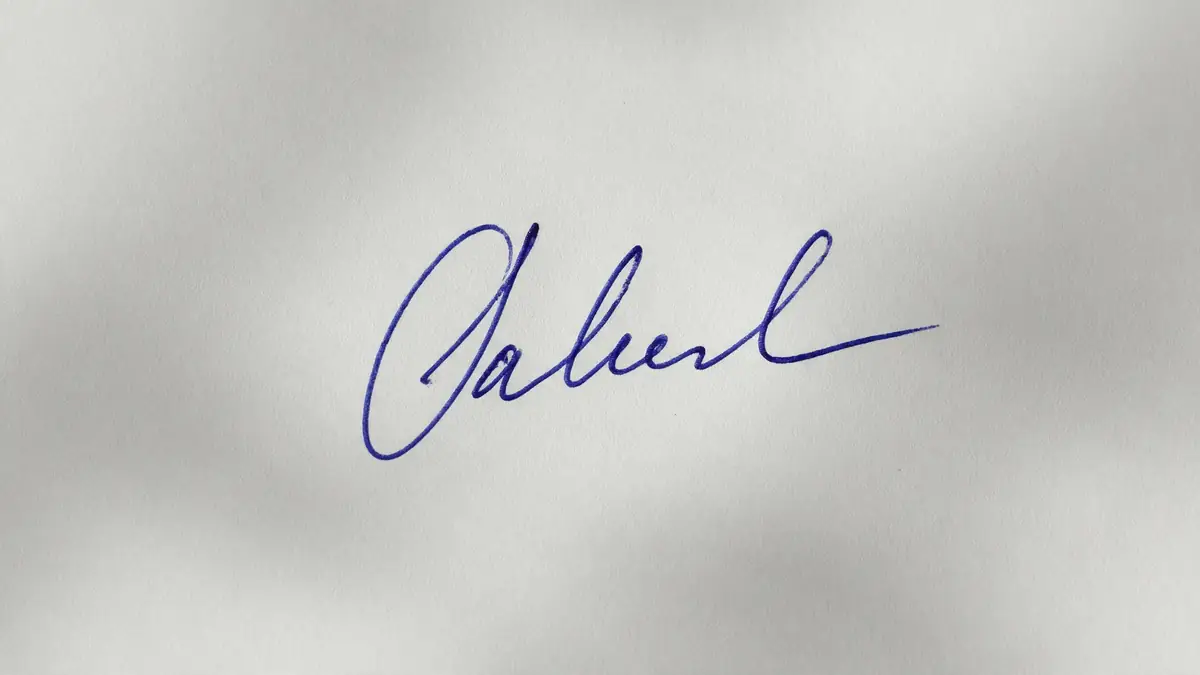
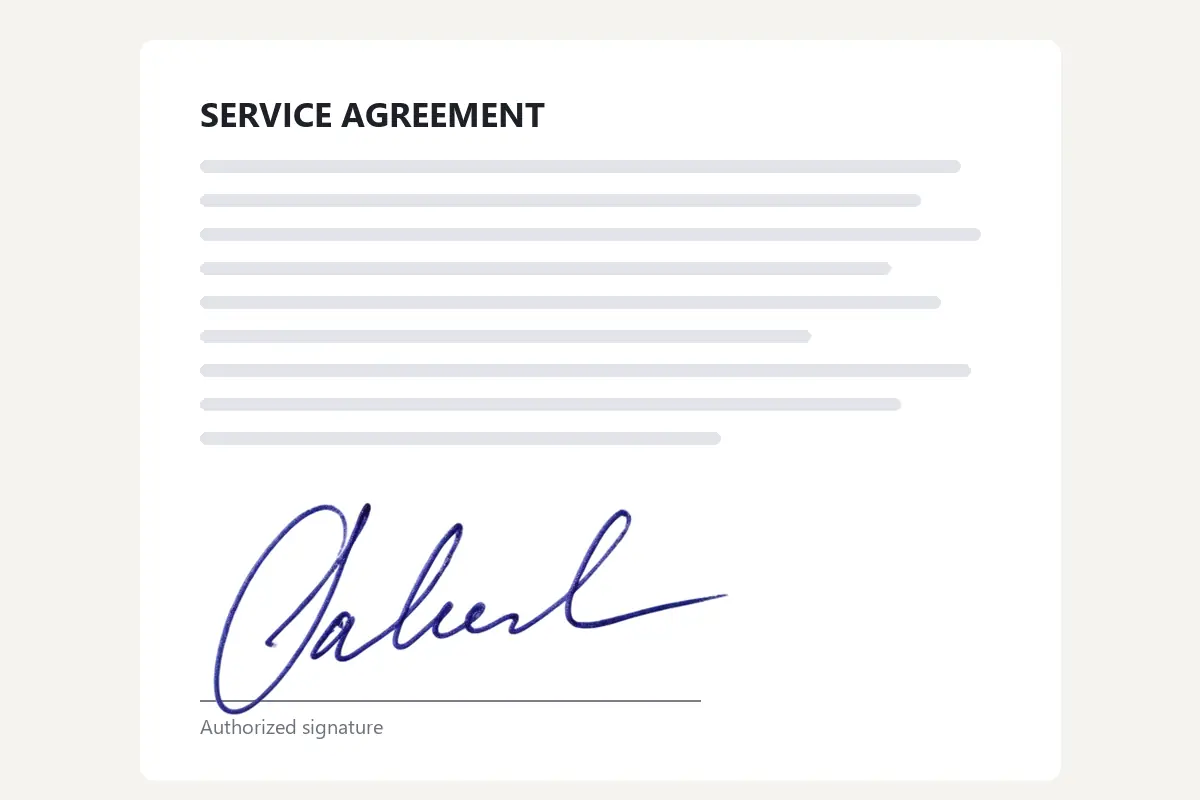
The ESIGN Act defines an electronic signature as an electronic sound, symbol or process attached to or logically associated with a record and adopted by a person with the intent to sign [1], and says a signature may not be denied legal effect solely because it is electronic [2]. An image of your handwritten signature, added with intent to sign, fits that broad definition.
European Union: eIDAS levels
eIDAS has three levels. A simple electronic signature is data attached to other data and used by the signatory to sign — a pasted image qualifies. Advanced signatures must be uniquely linked to the signer and detect later changes, and only qualified signatures have the same legal effect as handwritten ones across the EU [3].
England and Wales: scanned signatures count — but can be copied
The Law Commission's 2019 report says electronic signatures range from a scanned manuscript signature to typed names and clicking “I accept”, and that reliability isn't essential to validity [4]. It also warns that anyone with access to a scanned signature can put it on any document [4] — so keep your transparent signature file private.
Practical tips
Use the transparent PNG for everyday paperwork like invoices, letters and simple agreements. For contracts that need stronger proof, use an e-signature service that records who signed and when. Other countries have their own rules — India's IT Act, for example, defines electronic signatures by approved techniques such as Aadhaar eSign — so check local law for anything important.