


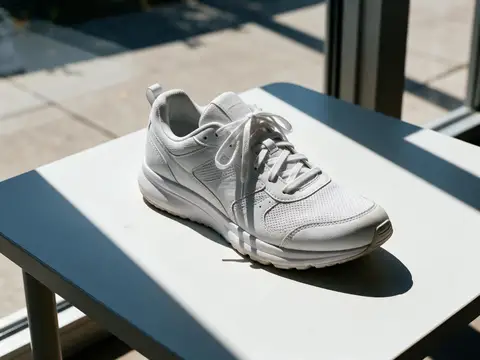


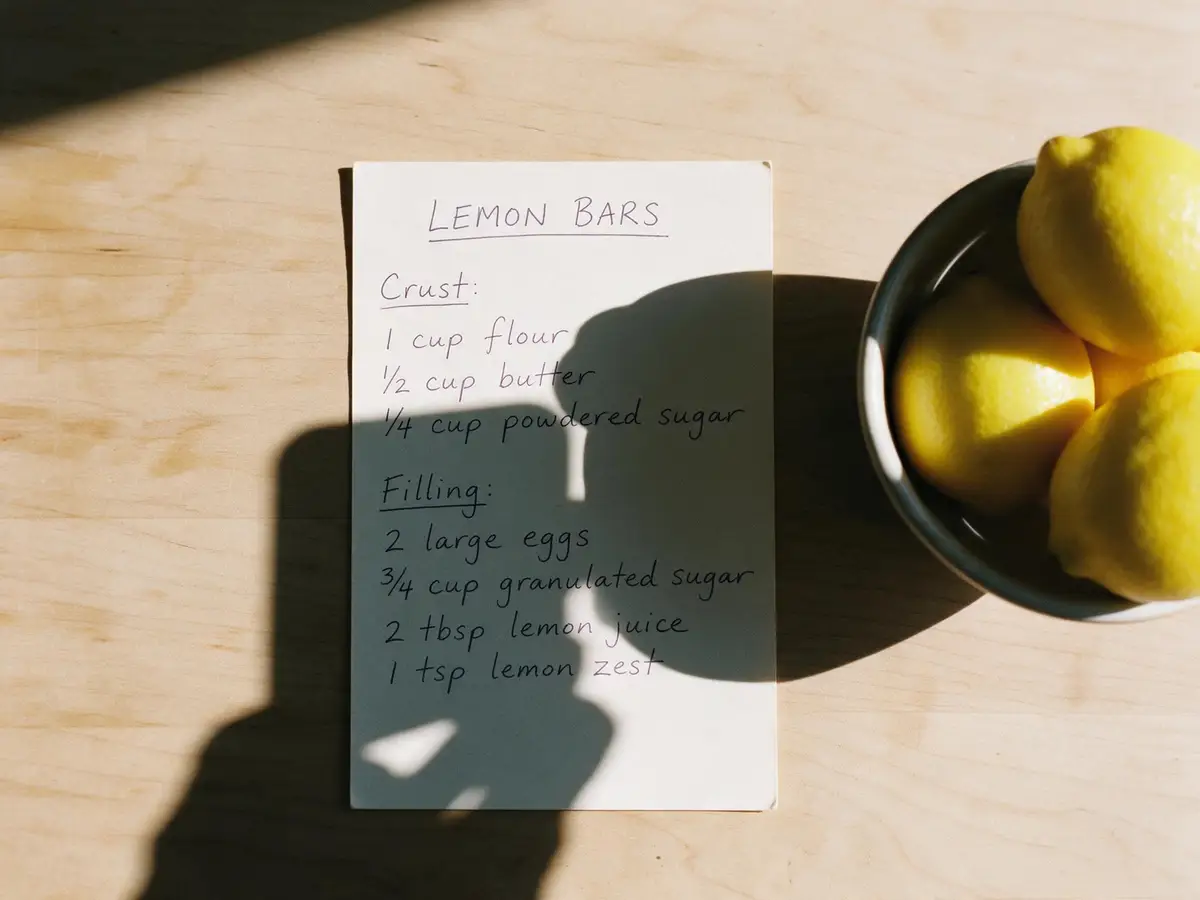
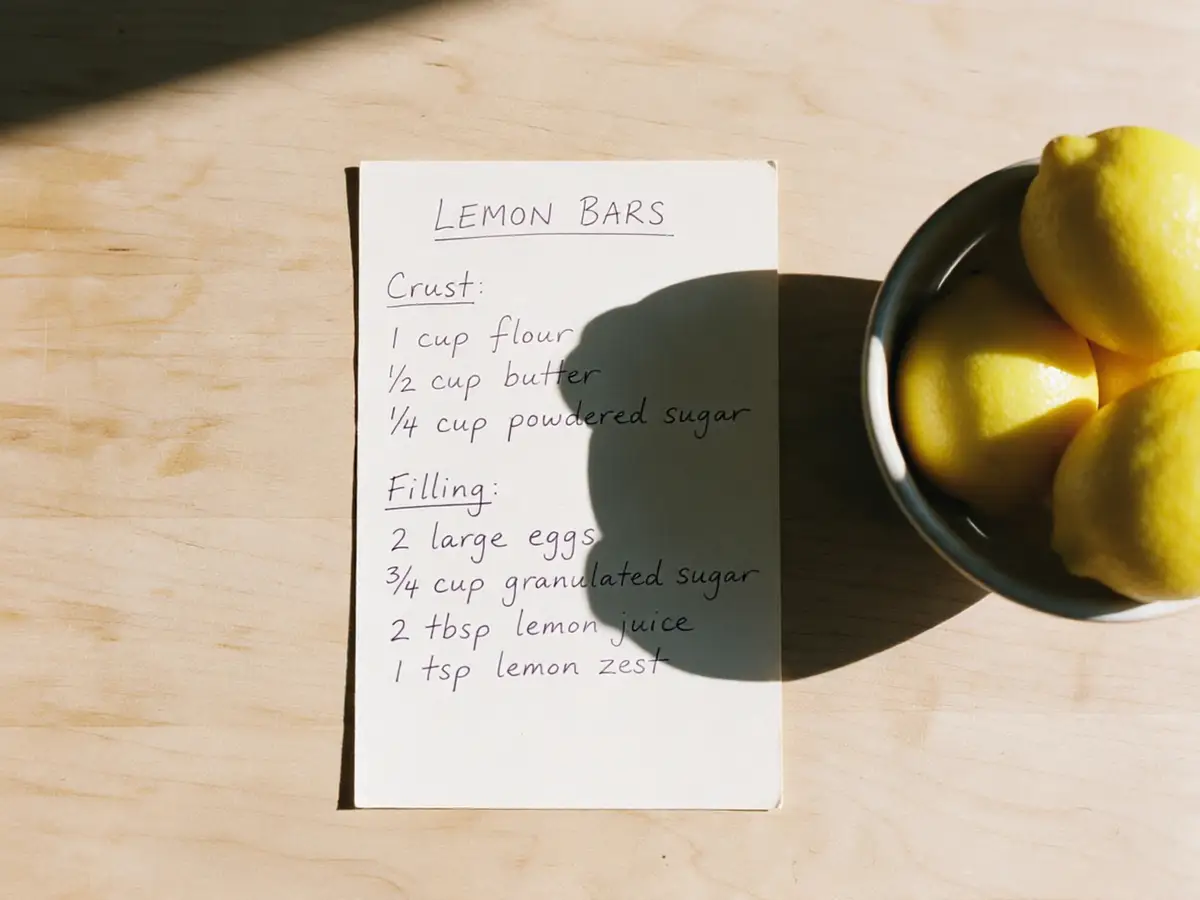


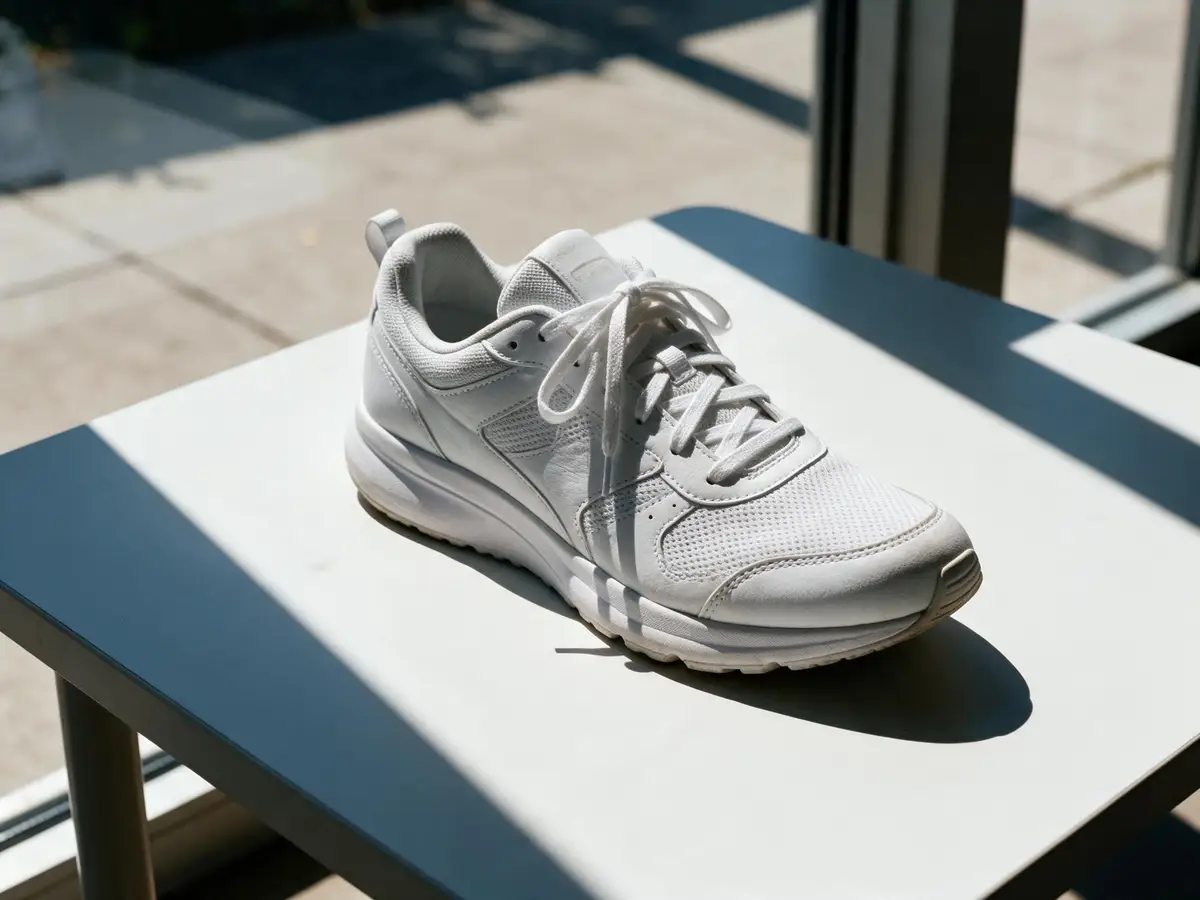

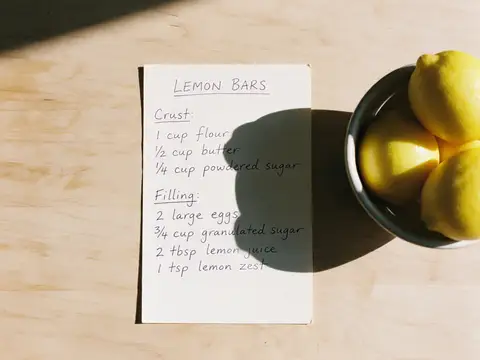
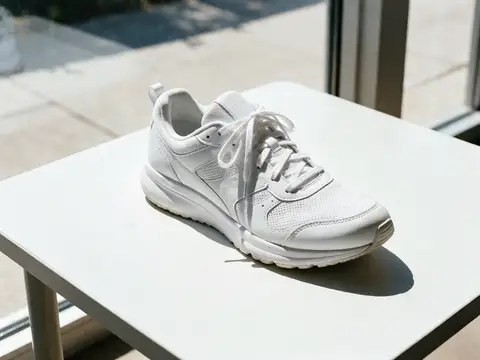

A shadow isn't an object
A shadow darkens what's underneath without covering it, so removing it means relighting the area, not deleting it. Researchers built the ISTD benchmark (2018) — 1,870 sets of a shadow photo, its shadow mask and the same scene without the shadow — to train models that detect and remove shadows together [1].
When the area has to be rebuilt
Very dark shadows lose the texture underneath, so the tool has to fill it in. That is inpainting: Bertalmio's 2000 method carried lines in from the edges like an art restorer [2]; PatchMatch (2009), the algorithm behind Photoshop's Content-Aware Fill, copies matching patches from elsewhere in the photo [3][4]; LaMa (2022) uses a network that sees the whole image to fill large areas [5].
Why the prompt matters
A general image editor like AI Edit can relight or repaint anything, so it needs to be told what to leave alone. Naming the shadow and ending with “keep everything else exactly the same” keeps the change local; Magic Eraser only touches the area you paint.