










Two steps: find the text, fill the gap
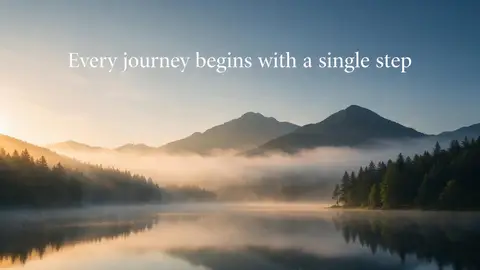
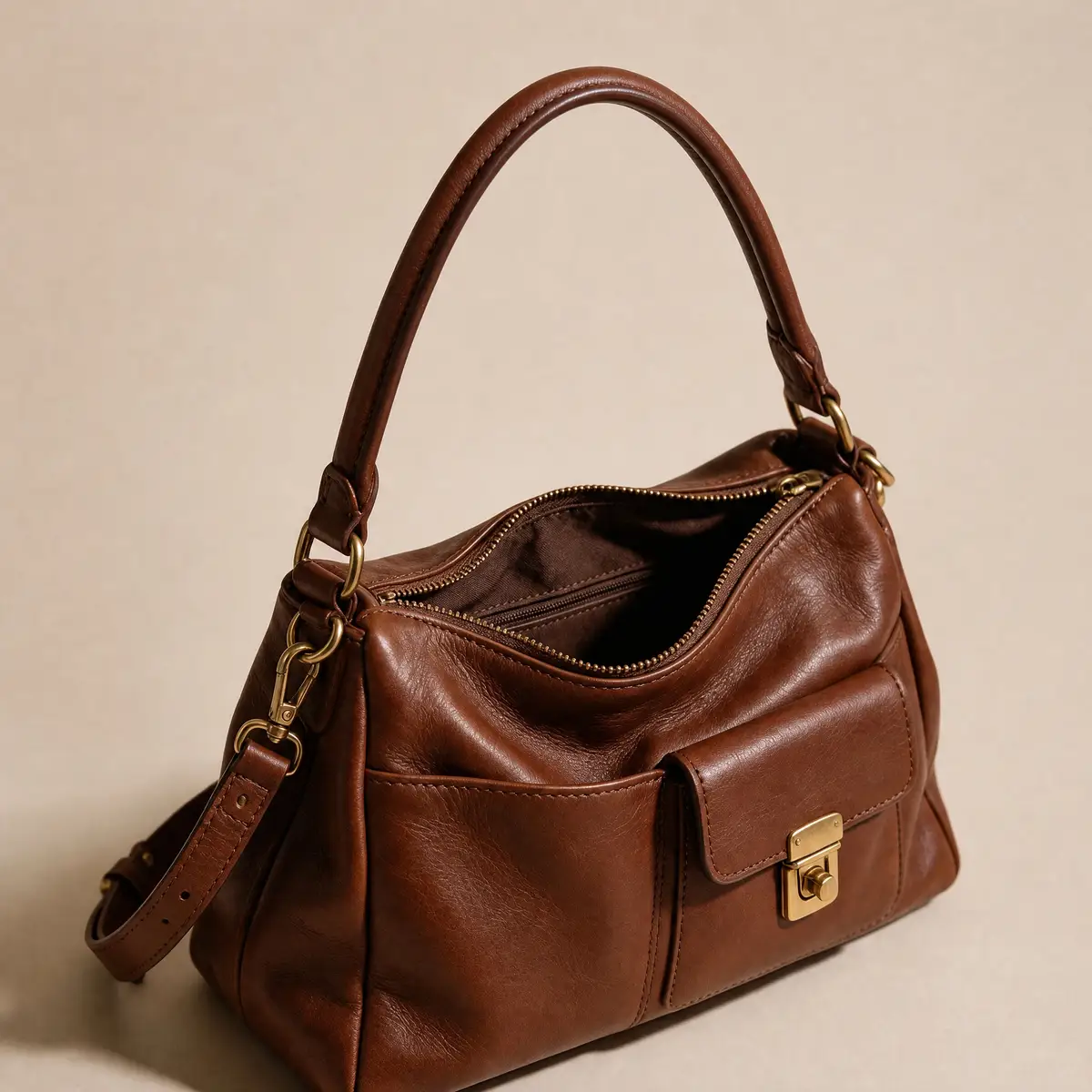
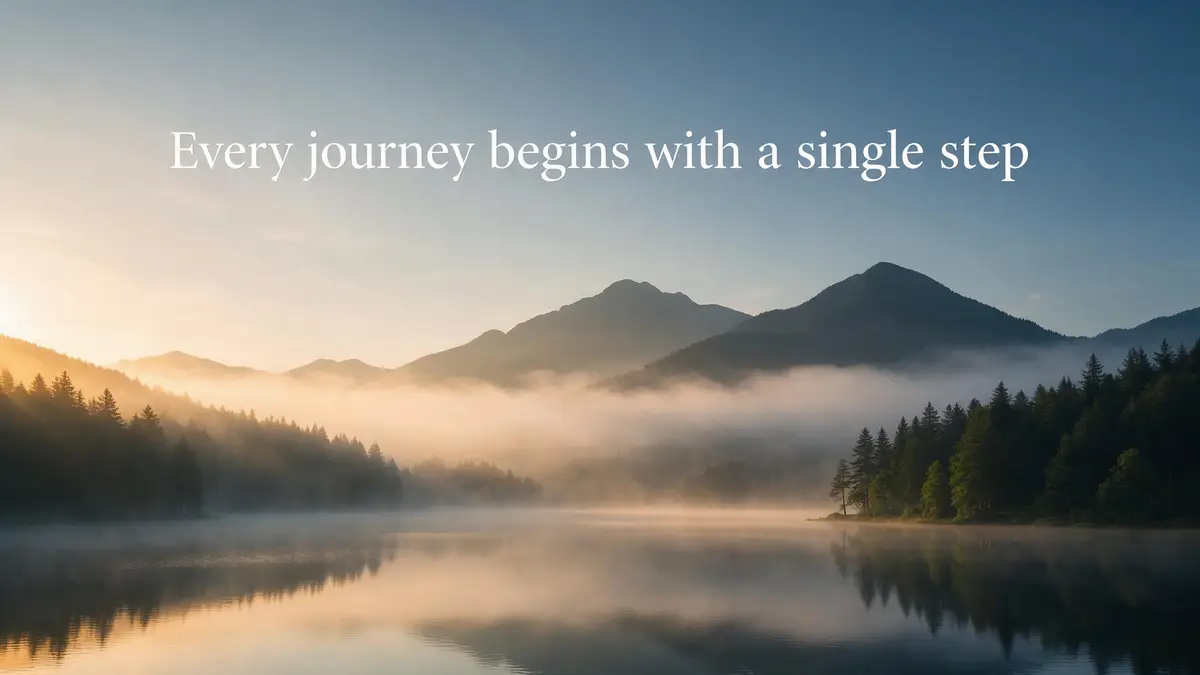
Text removal first finds every letter, then fills the space where it was. Researchers built SCUT-EnsText (2020) — 3,562 real photos with the text erased by hand — to train and test models such as EraseNet [1].
The background is reconstructed, not revealed
Whatever was behind the letters was never photographed, so it is inpainted: patch-based methods like PatchMatch copy similar texture from nearby [2], and large-mask networks like LaMa use context from the whole image [3]. On skies and plain backgrounds the fill is seamless; on detailed areas, check it closely.
Use it on your own images
Removing a caption, a date stamp or a sale banner from your own photo is the everyday use. Removing watermarks or credits from other people's images can breach copyright — only edit images you have the rights to.