Style comes from the first words
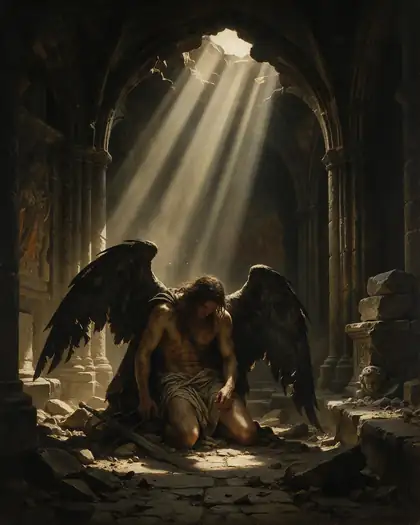
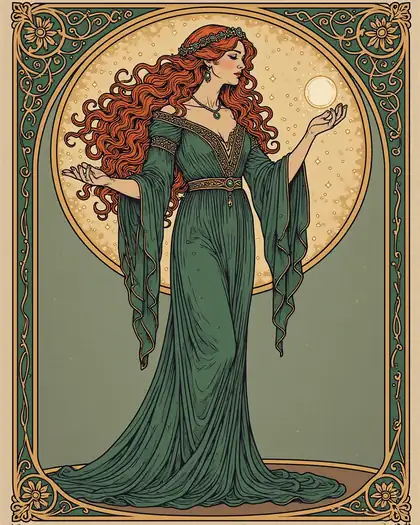
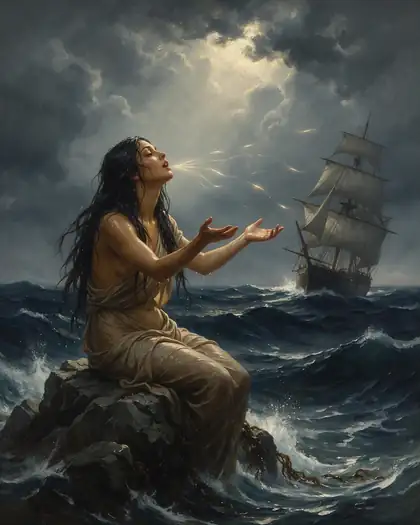
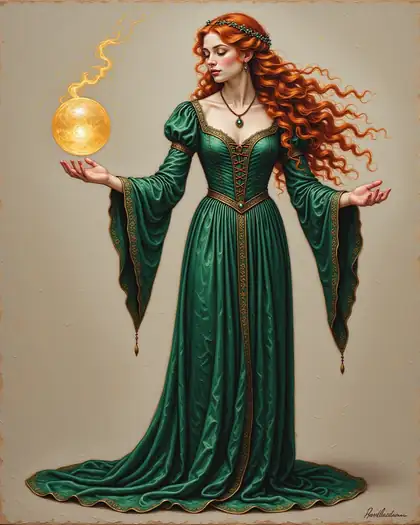
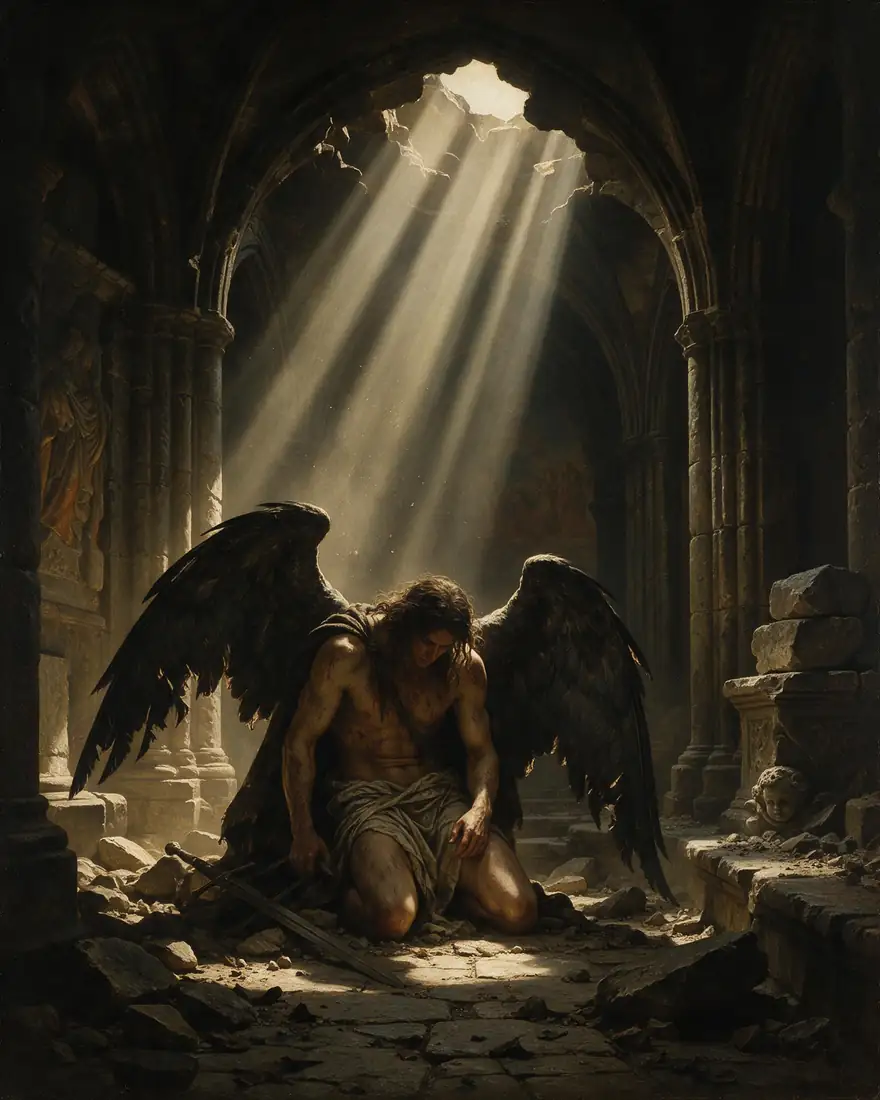
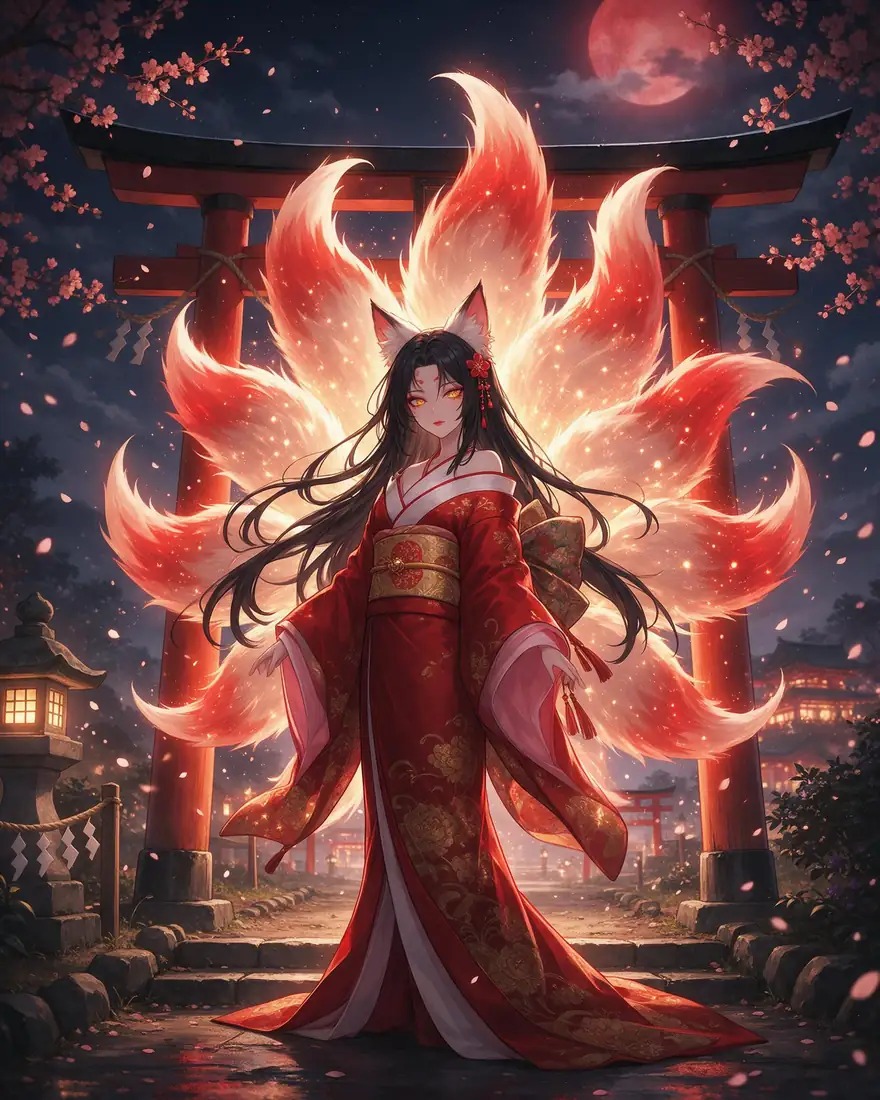
Models give most weight to how a prompt starts. “Oil painting of a sorceress…” and “a sorceress…, oil painting” can give different results; lead with the medium when style matters most. Then add one or two style anchors — an art movement (art nouveau, Pre-Raphaelite), a technique (cel shading, halftone, gouache) or a material (toned paper, canvas texture).
Why one model can do eight styles
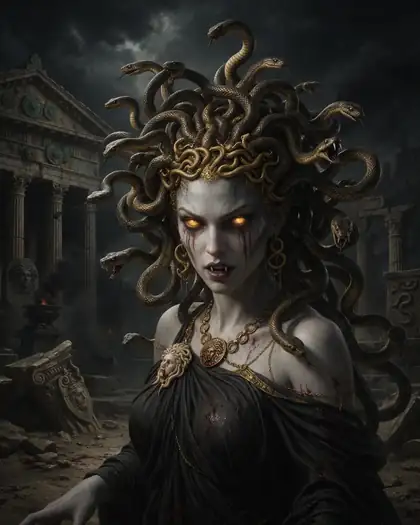
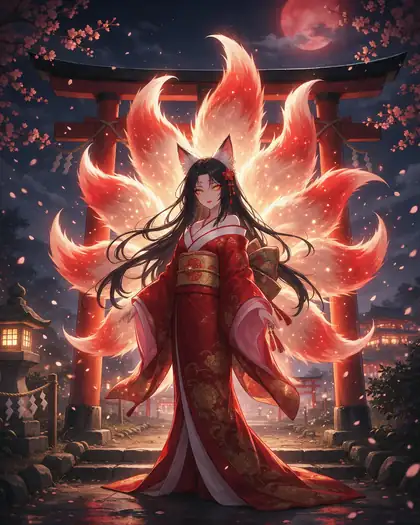
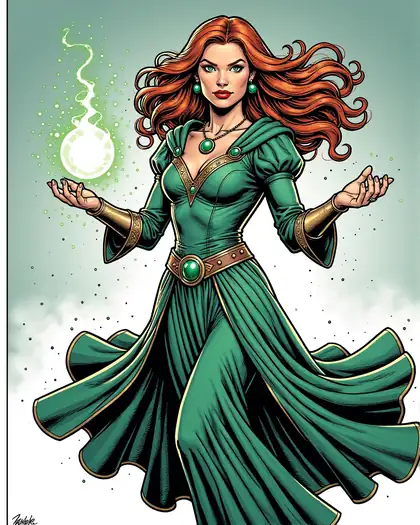
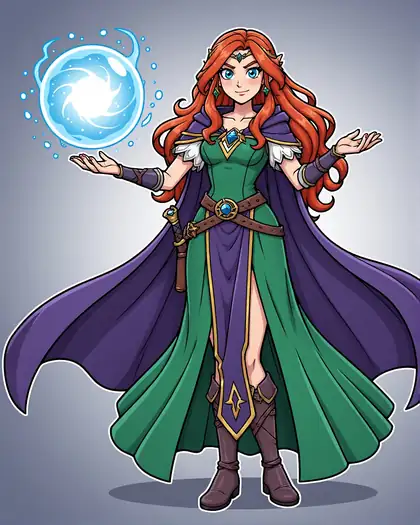
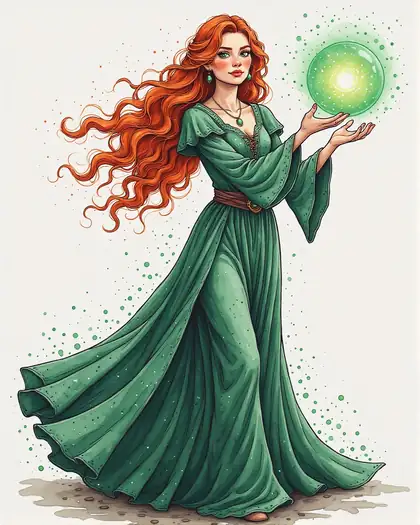
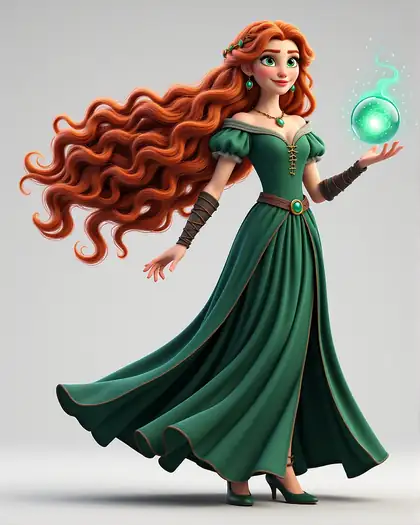
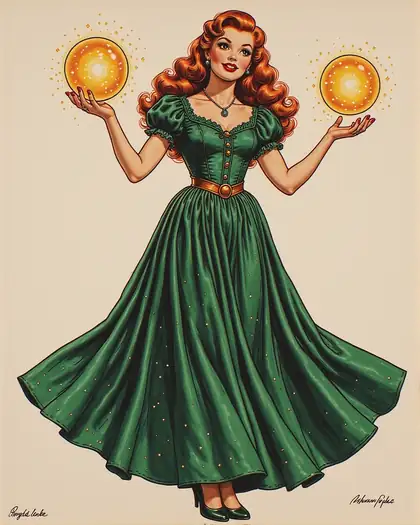
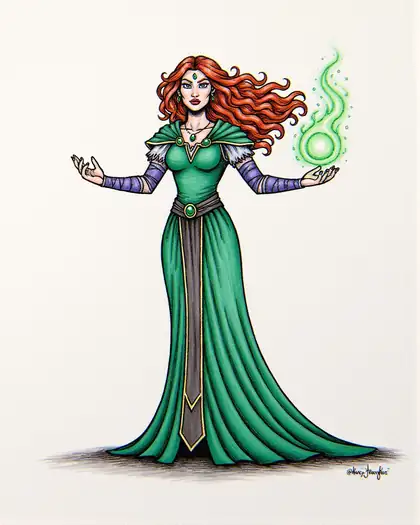
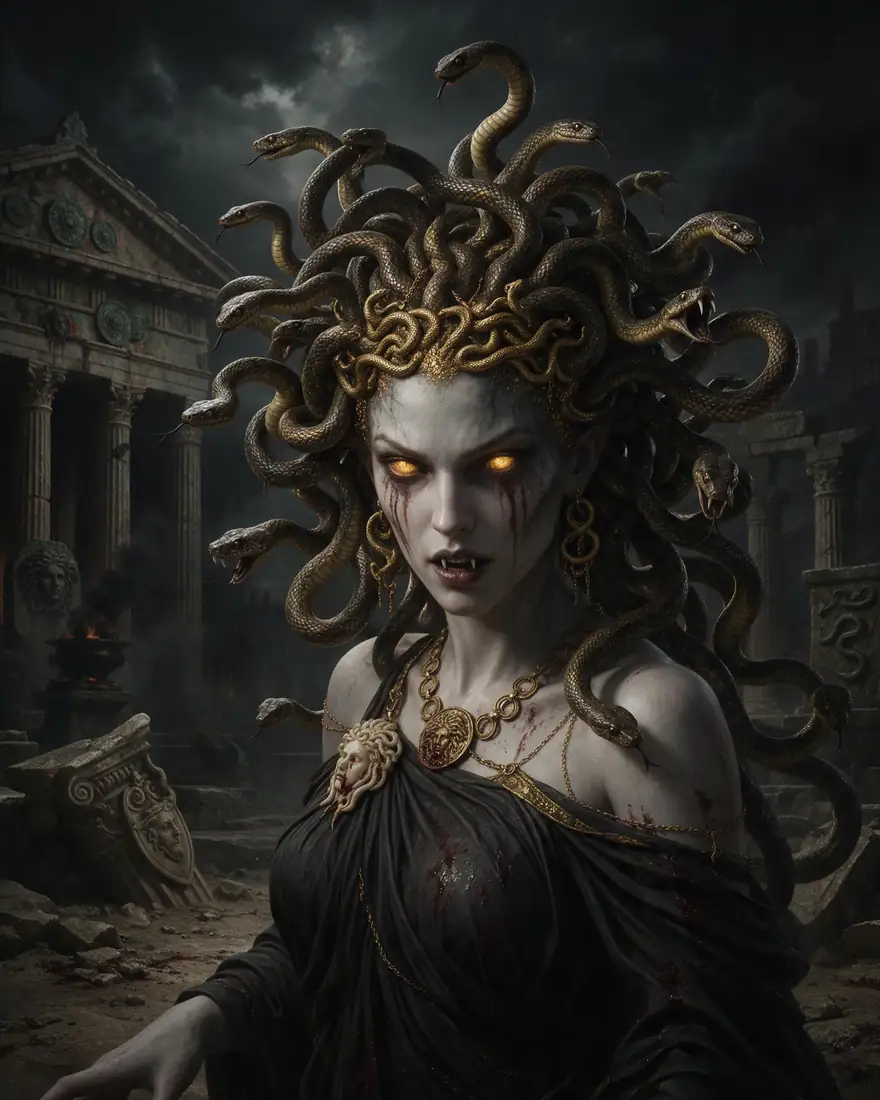
Chroma was trained on about 5 million curated images across photos, anime and art [1], so it can switch style from the prompt alone — every tile in the style matrix above is Chroma with a different first line. Specialist models go deeper in one lane: Neta Lumina was fine-tuned on over 13 million anime-style images [2], so it is the stronger pick when anime is all you make.
Recipes by style
Starting points that work well:
- Oil painting: “classical oil painting, visible brush strokes, chiaroscuro”.
- Anime: “anime illustration, clean line art, cel shading” — or Pony XL with score tags.
- Comic: “comic book cover art, bold inks, halftone dots, dynamic pose”.
- Pin-up: “1950s pin-up poster, gouache, retro colours”.
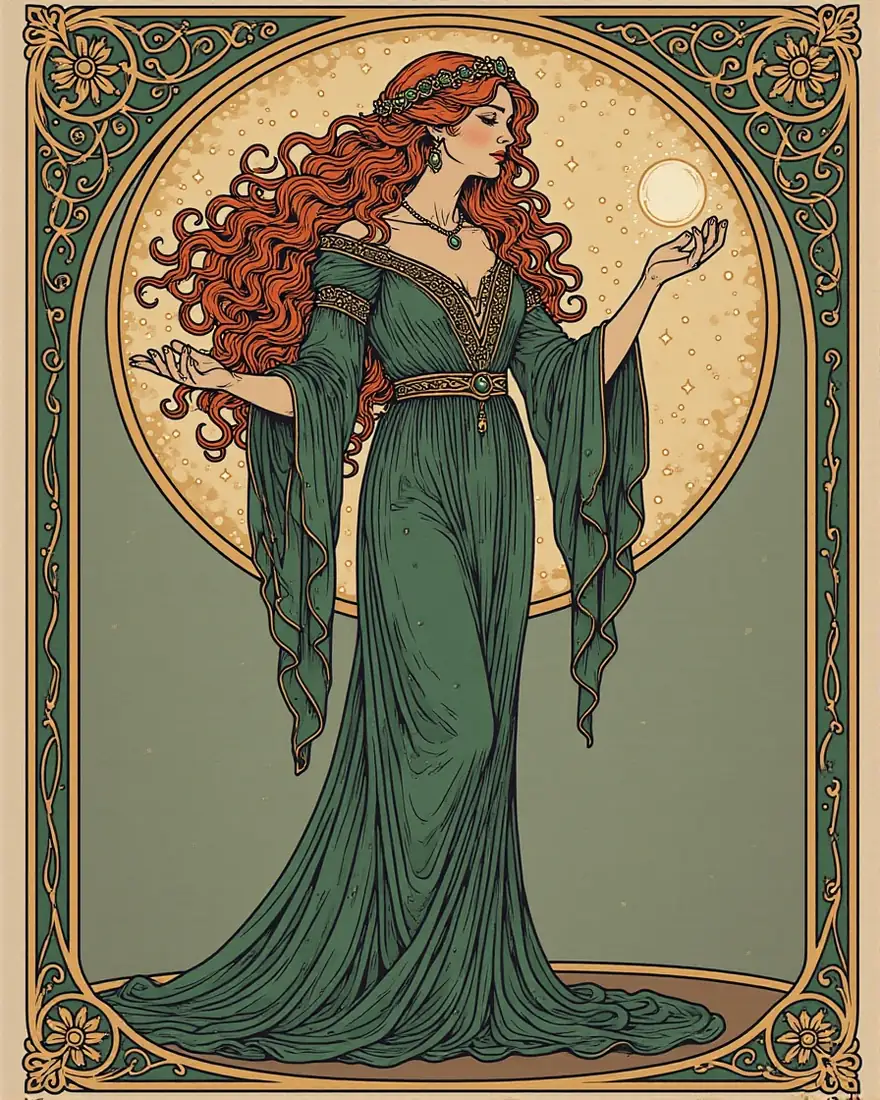
- Art nouveau: “art nouveau poster, ornamental frame, muted gold palette”.
- Charcoal: “charcoal figure drawing, smudged shading, toned paper”.
From your own sketch
If you draw, start from your sketch instead of a blank prompt: upload it in image to image, say “same pose”, and describe the finished style. The composition stays yours; the model adds colour, light and finish.