

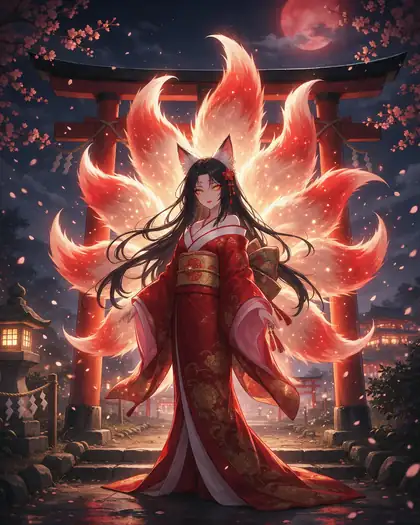
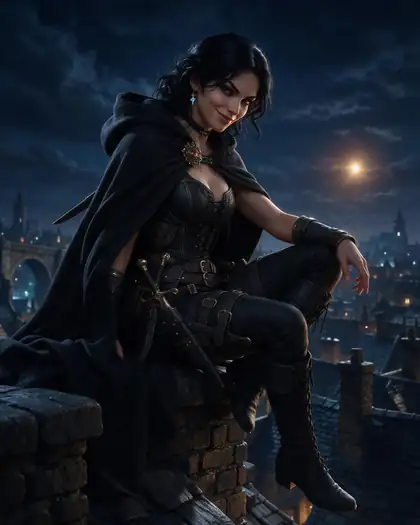
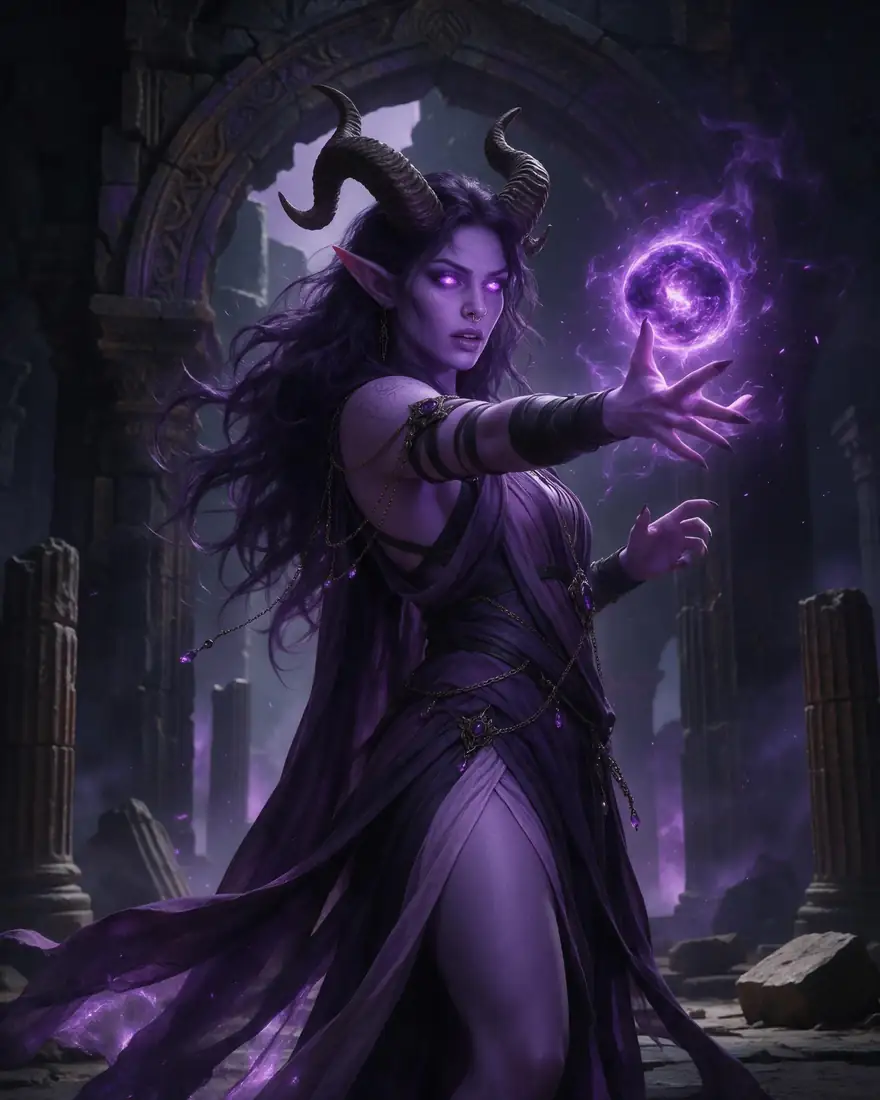
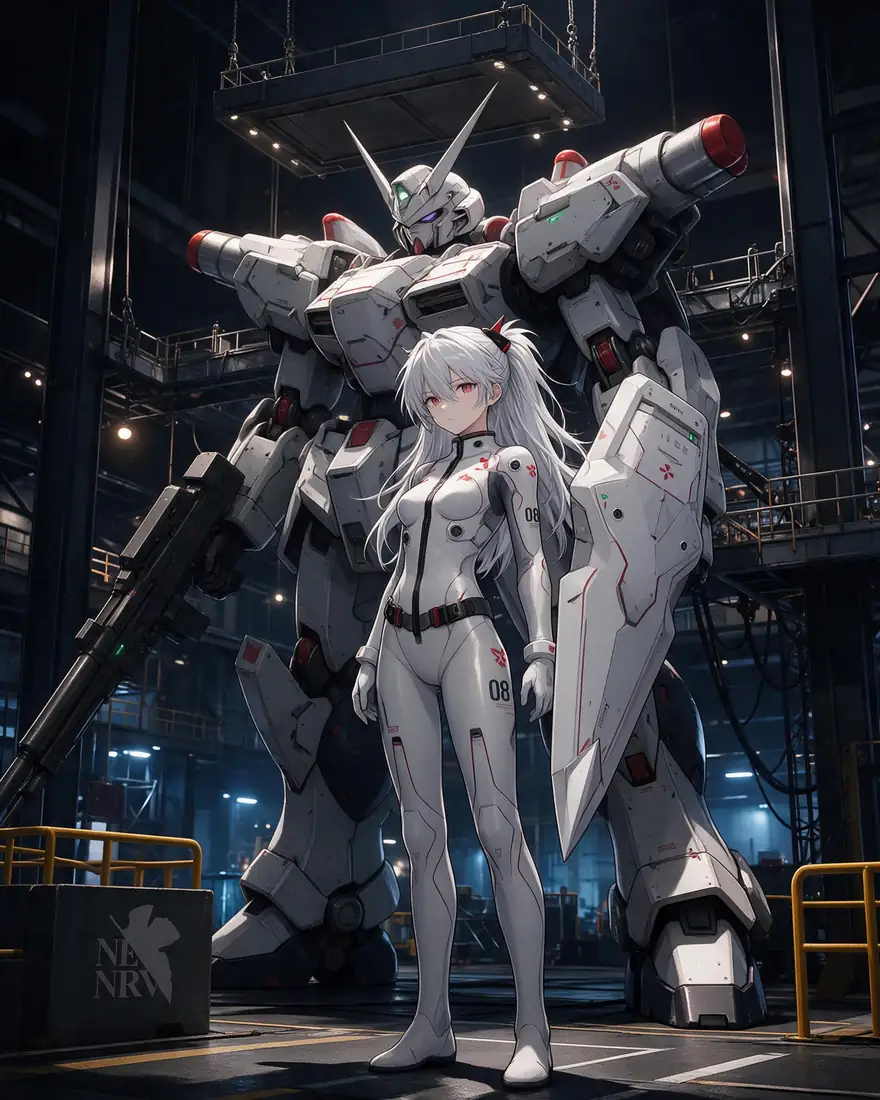
Designing a character that reads
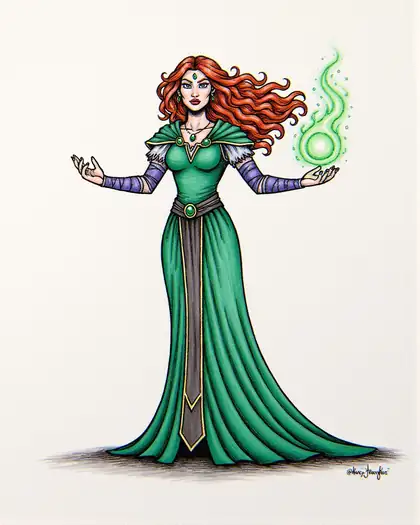
Strong character prompts give the model a silhouette and a story:
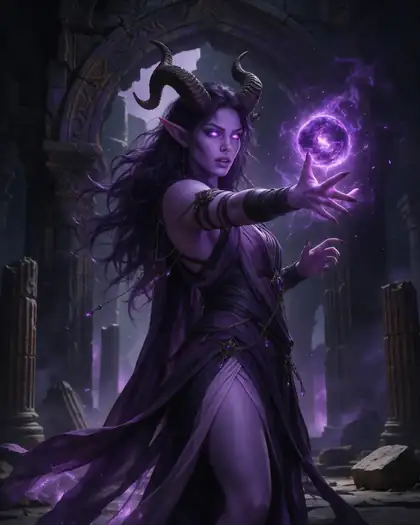
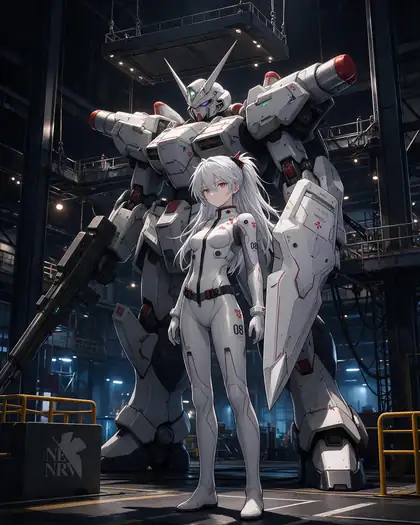
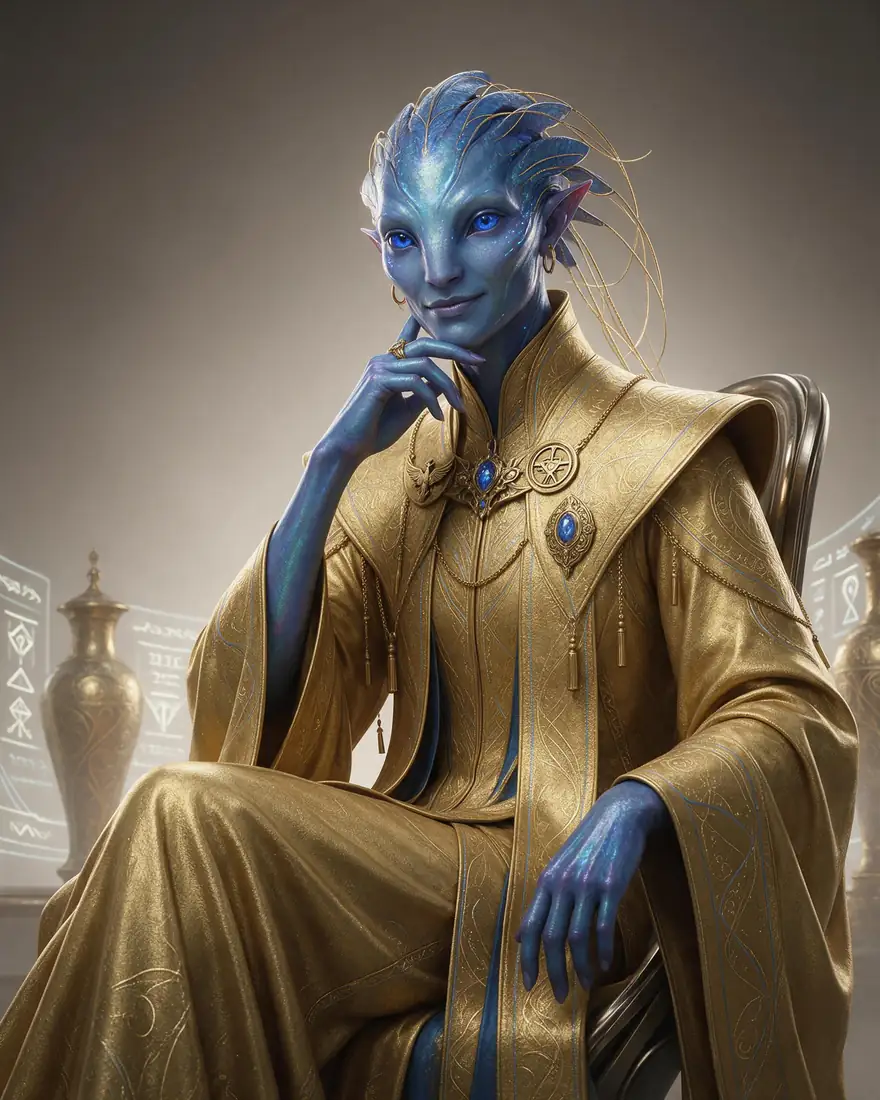
- A role or archetype — sorceress, mercenary, mecha pilot.
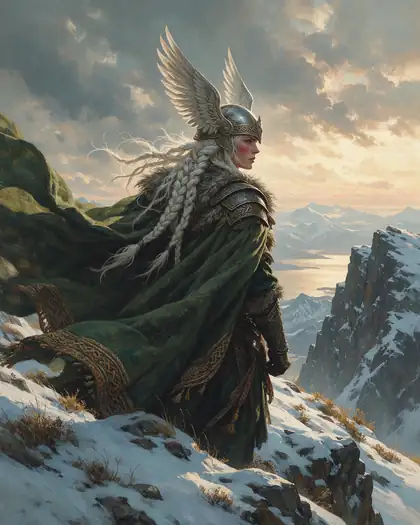
- One or two signature features — curled horns, a chrome arm, silver braids.
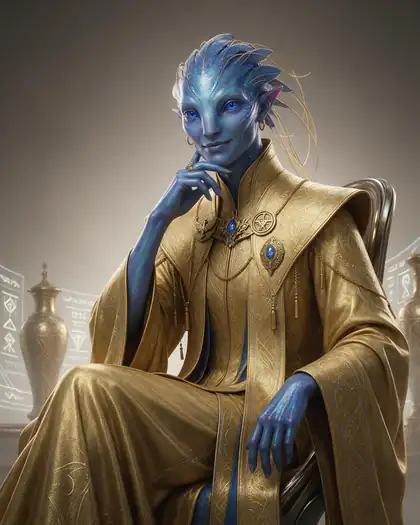
- An outfit with materials and colours.
- A setting that says who they are — a ruined temple, a neon market.
- The art style, first in the prompt.
Three levels of consistency
A seed repeats the same starting noise, so small prompt changes keep the look — good for variations. A reference image carries the face and outfit into a new scene on models that take references. A LoRA goes furthest: it is a small add-on trained on your images, a technique first described for language models and now standard for image models [1]. After training, the trigger word brings your character into any prompt.
Choosing a style
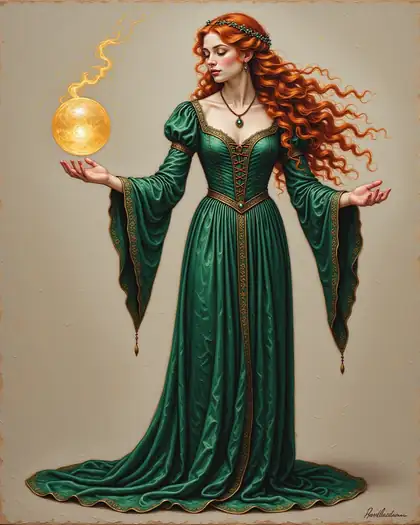
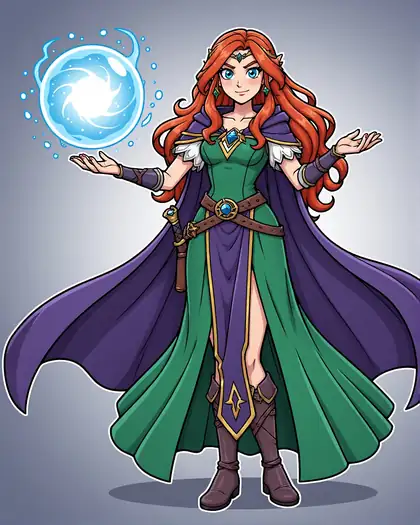
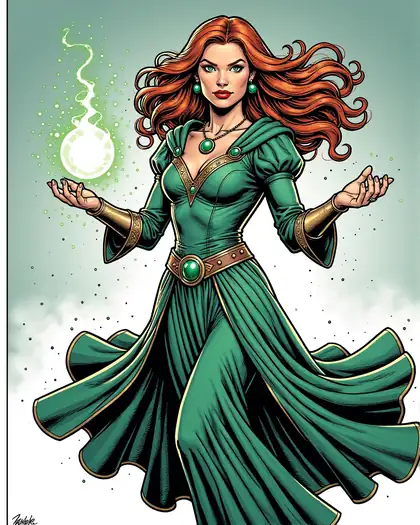
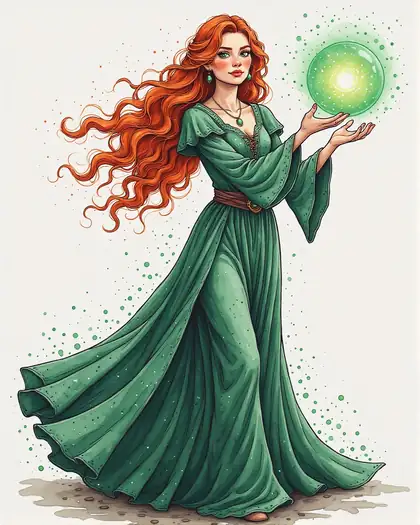
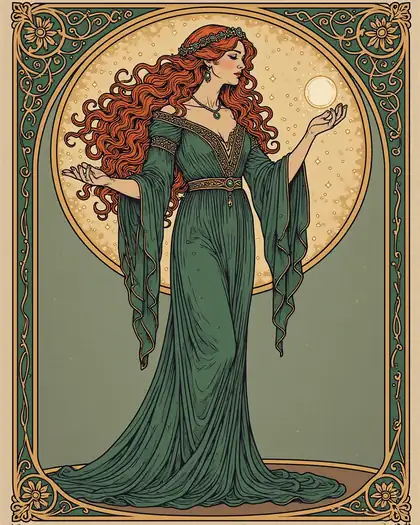
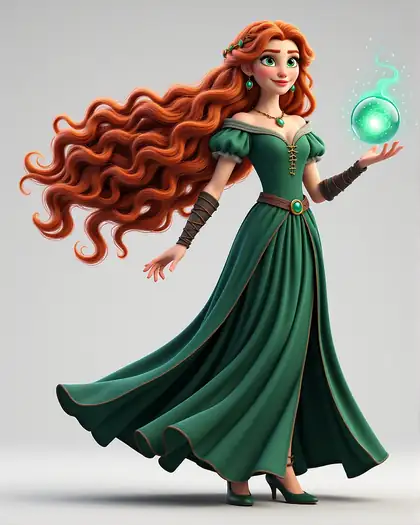
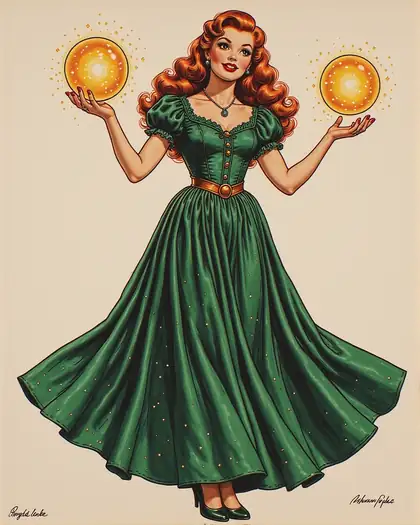
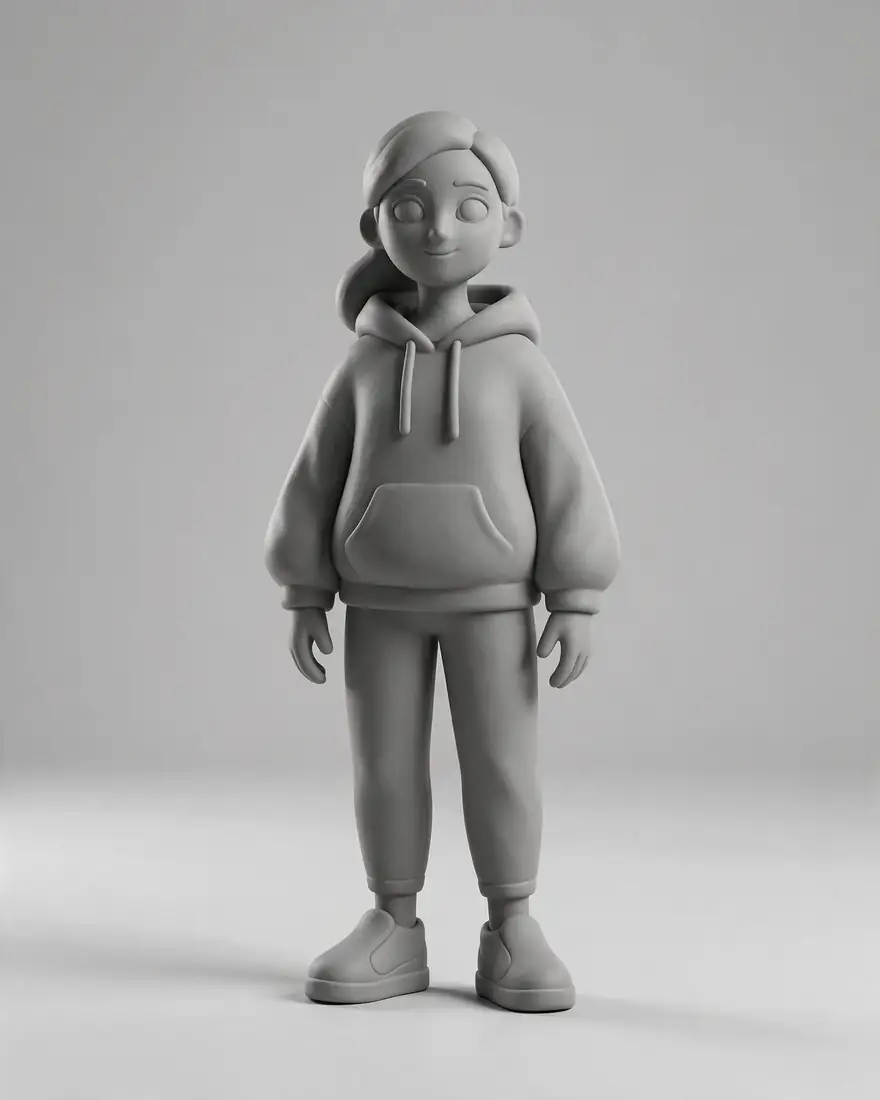
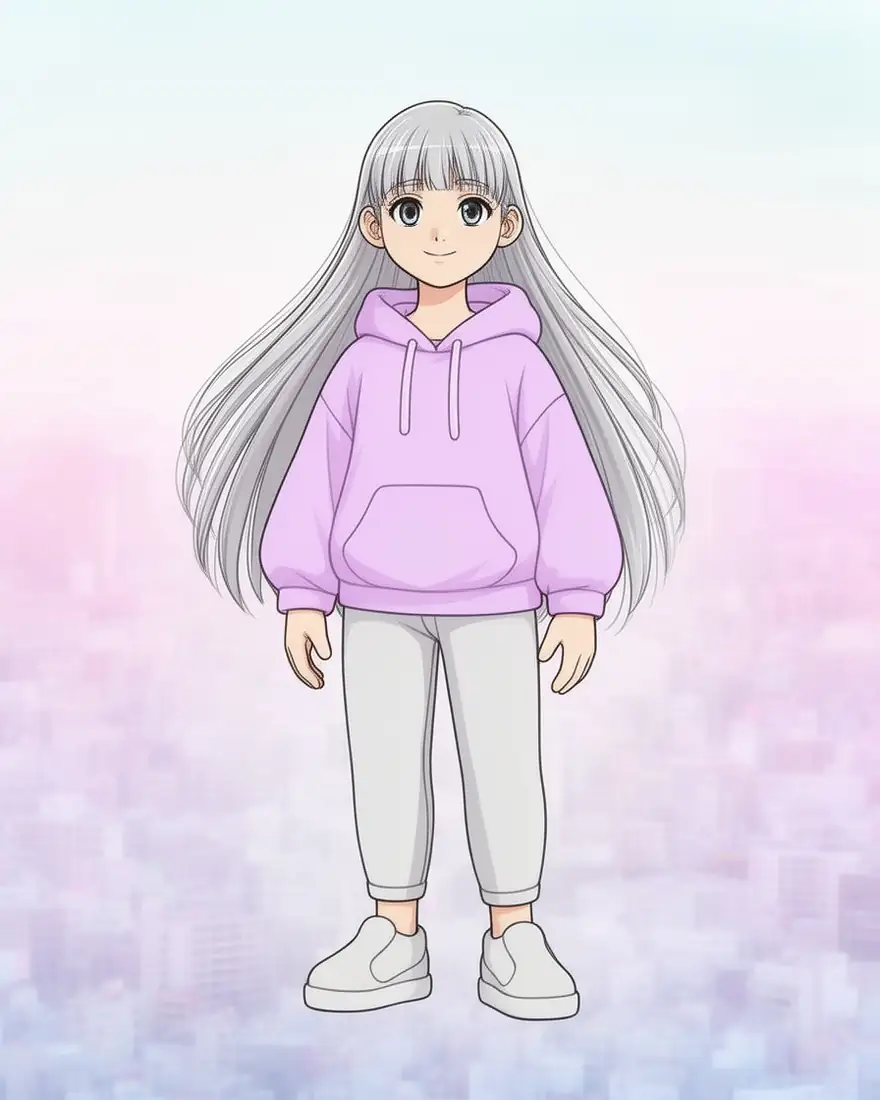
Decide the style before the details, because it changes everything else — proportions, line, colour. The style matrix on this page is one character on Chroma with only the first line changed; use it to pick a look, then refine on the model that suits that style.