
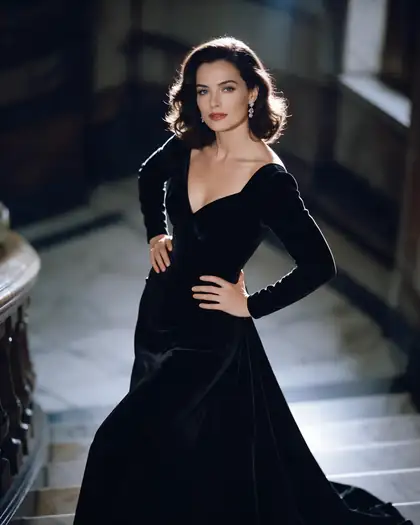

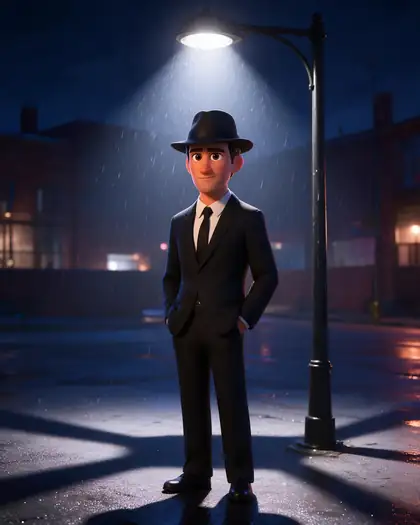
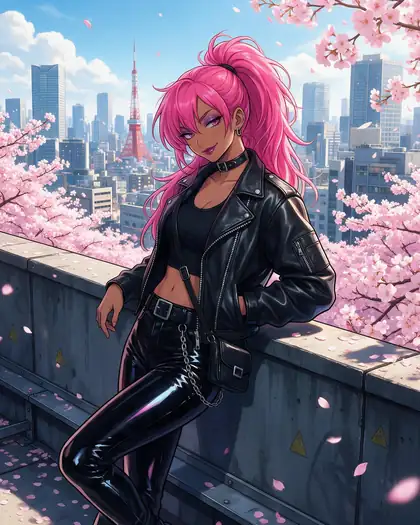
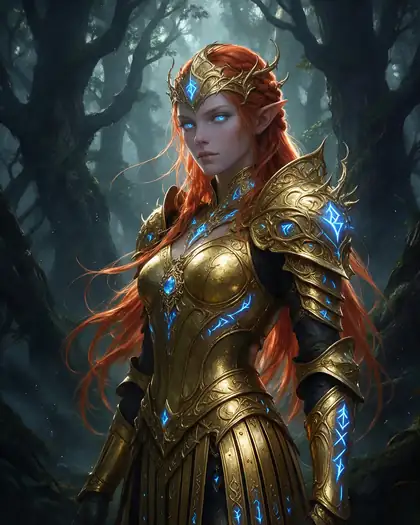

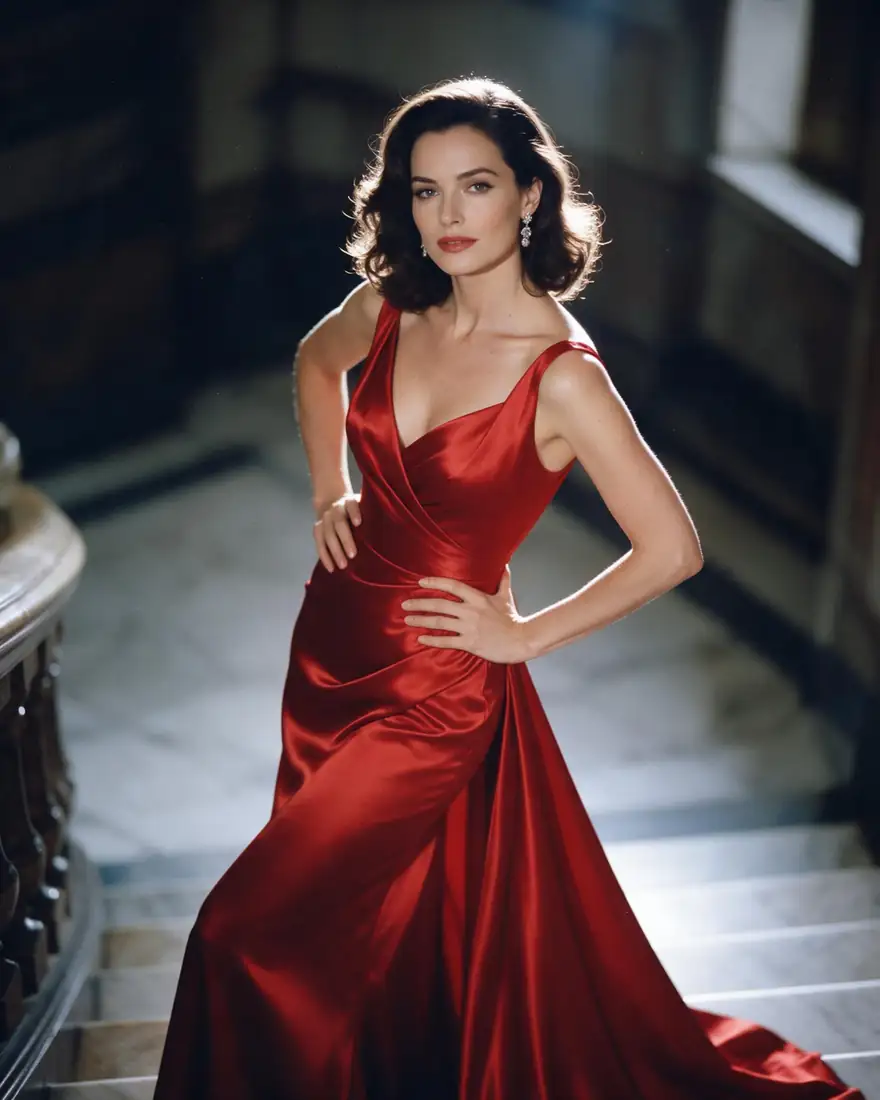
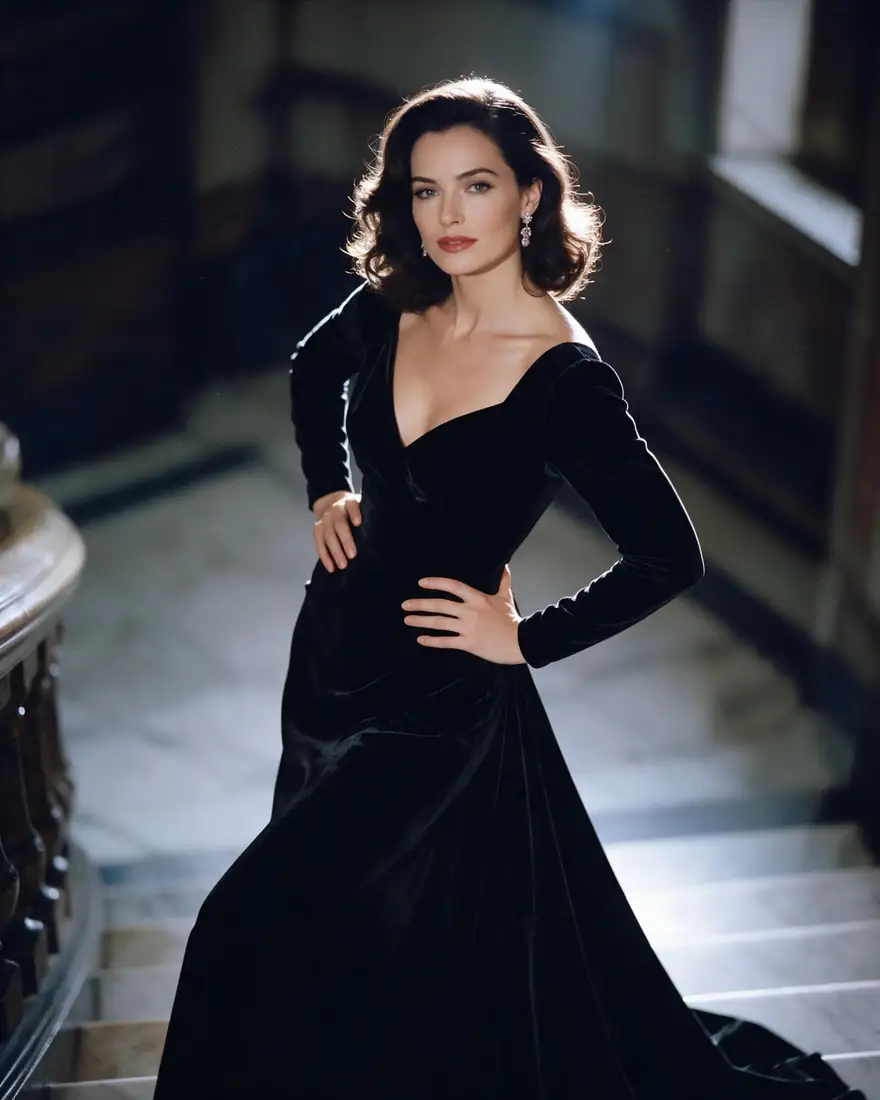

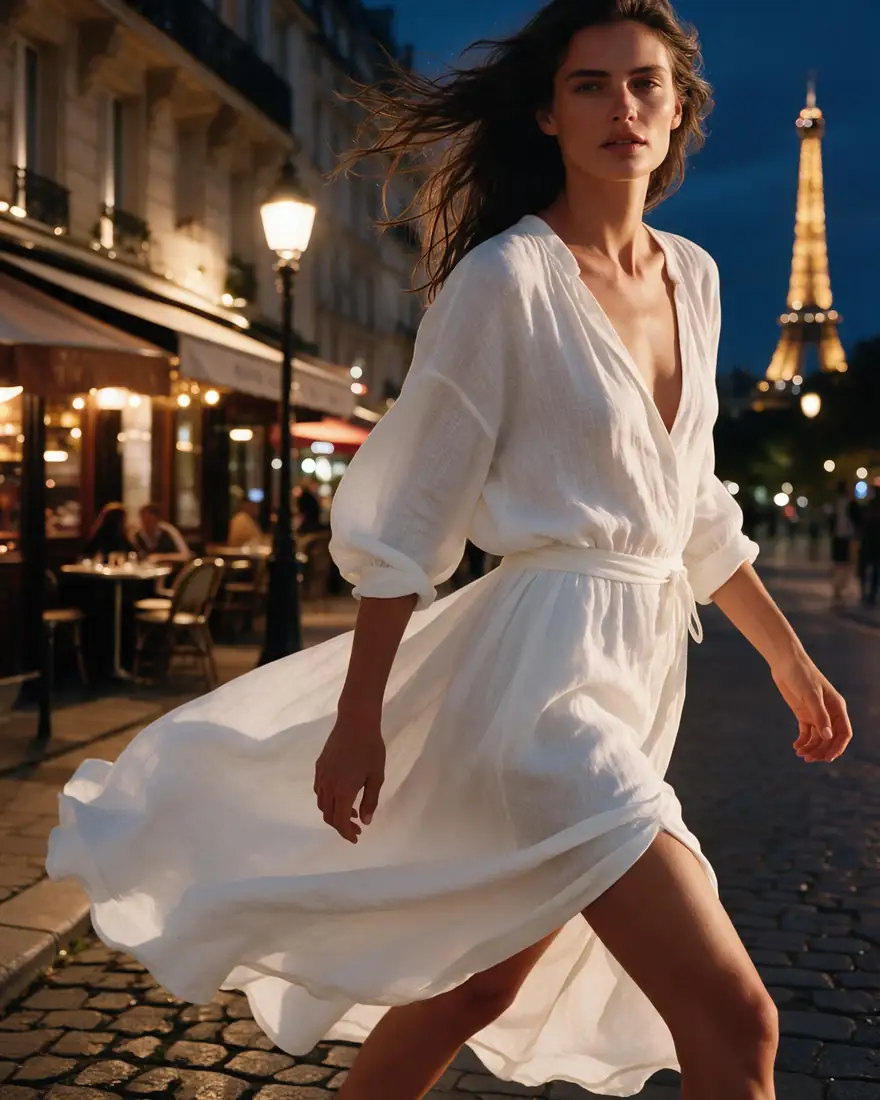
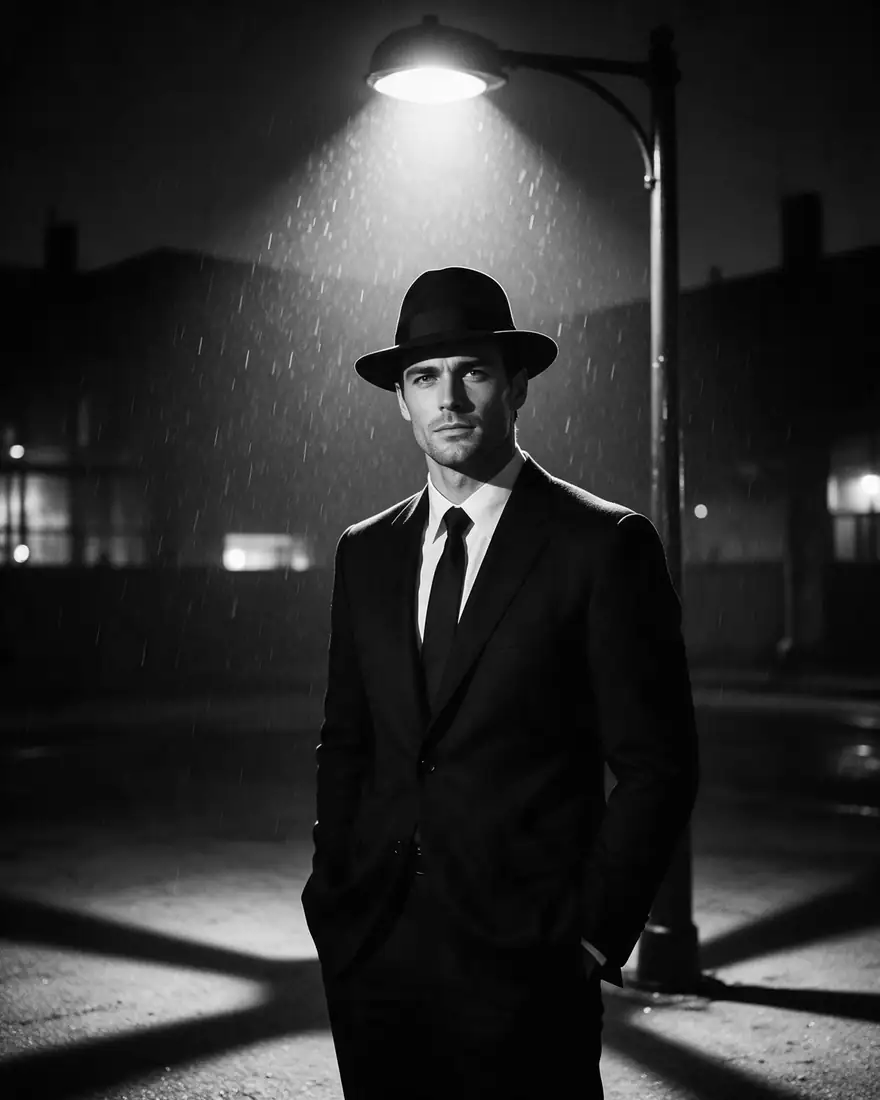
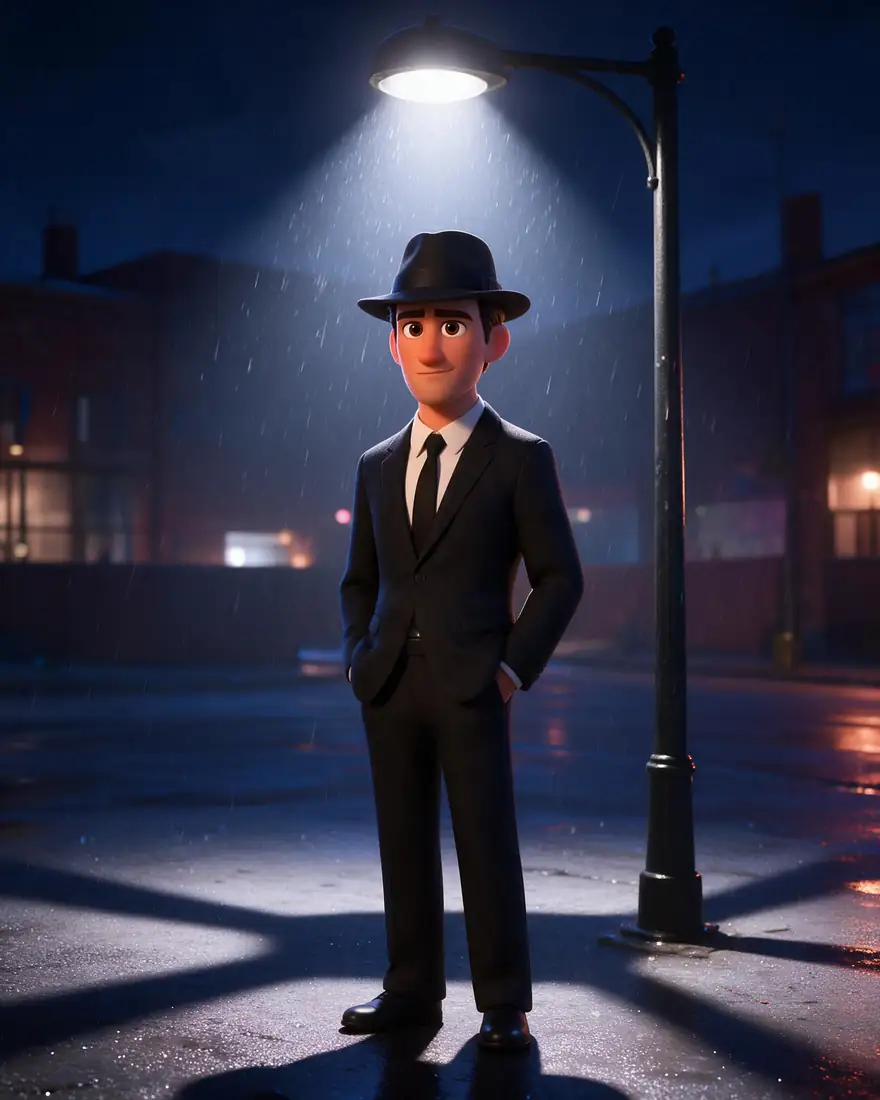
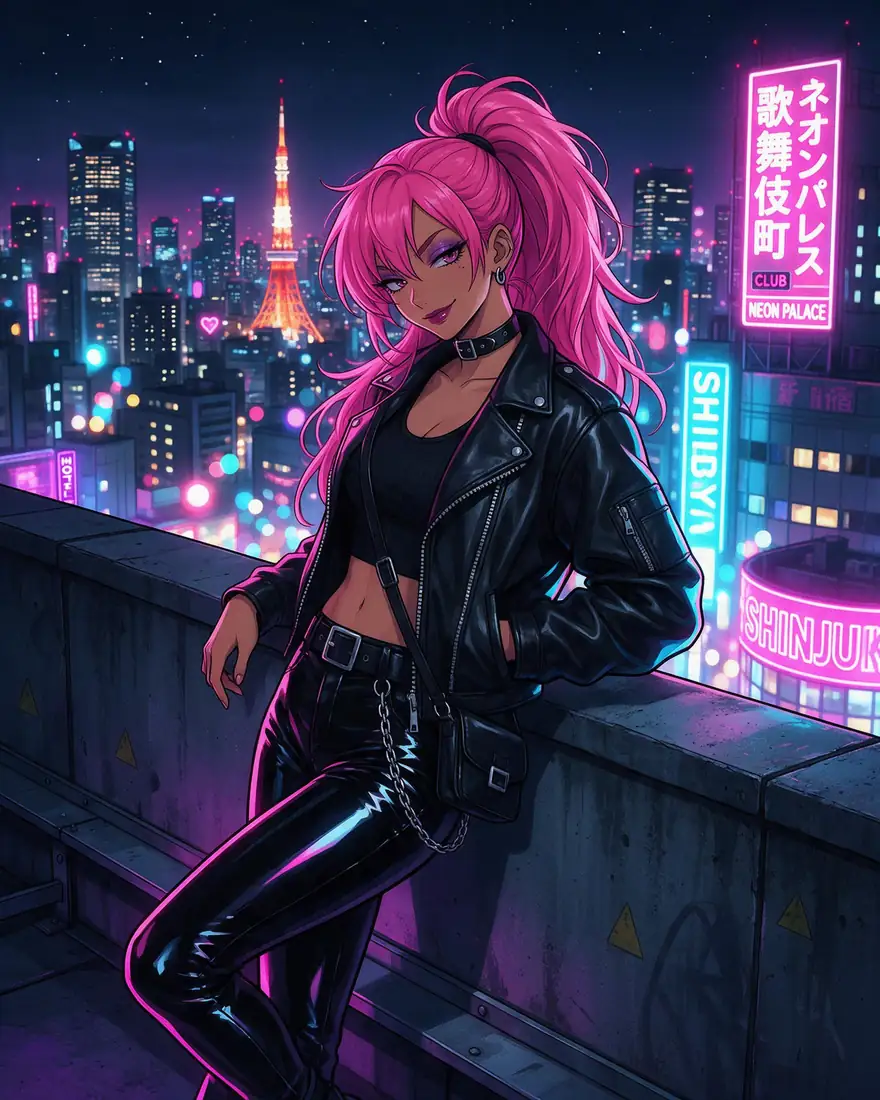
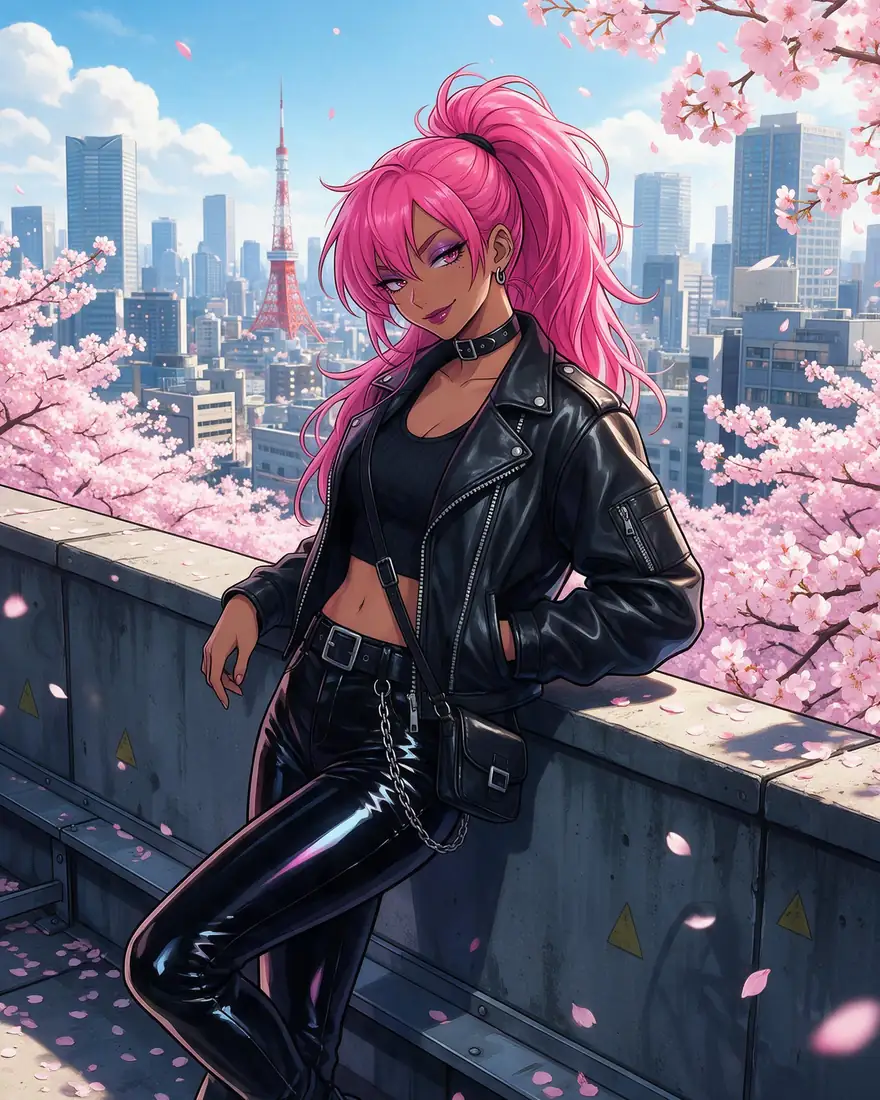
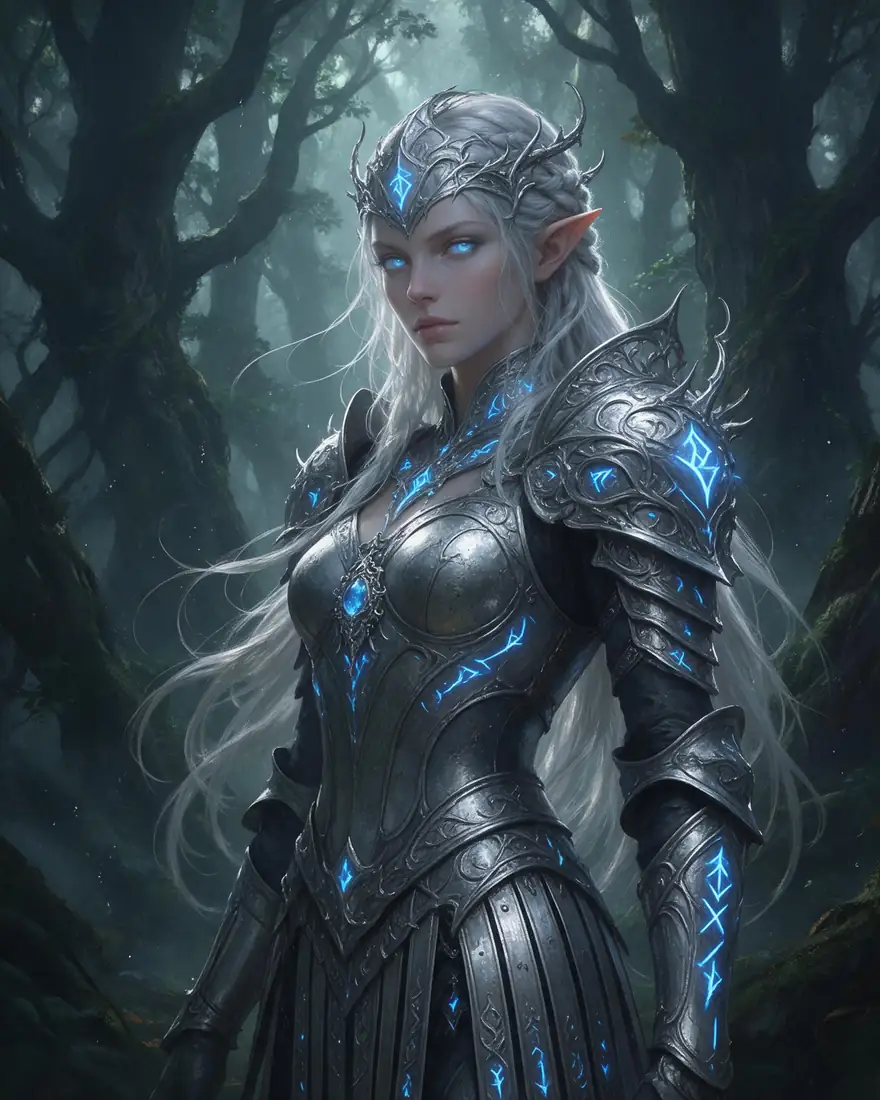
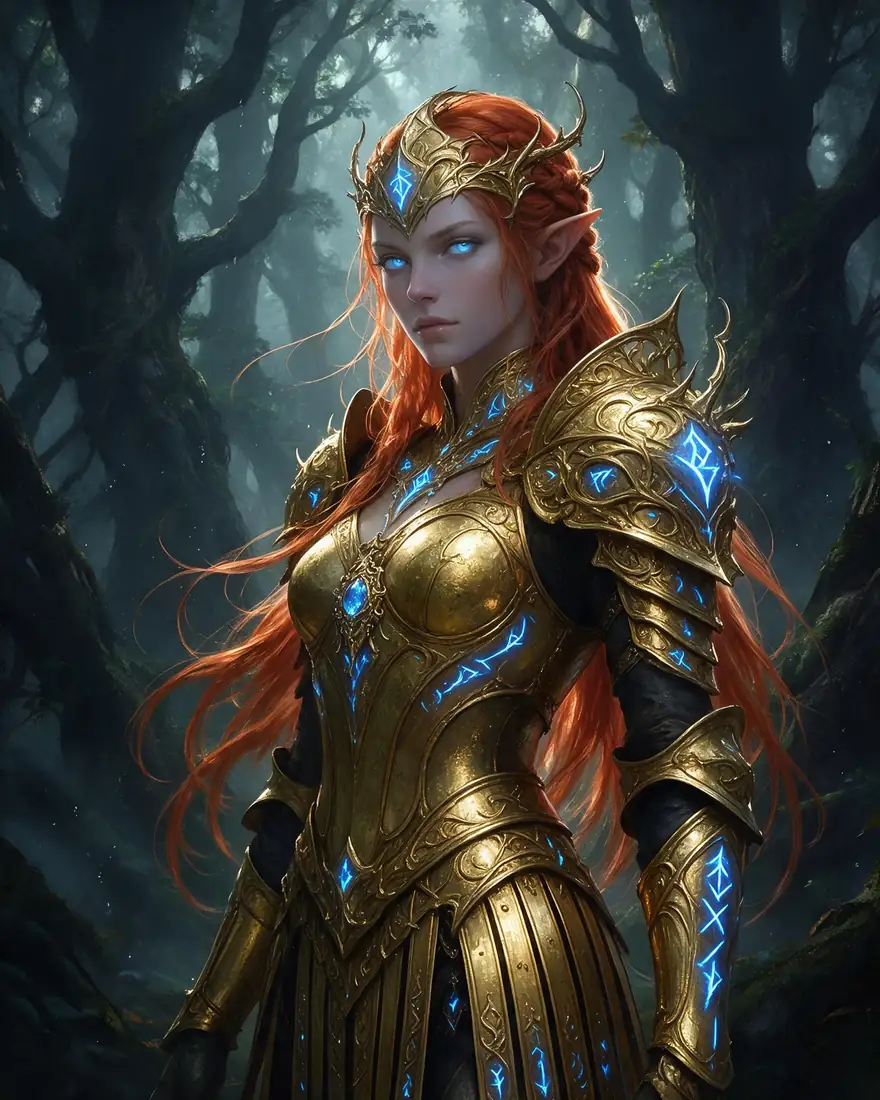
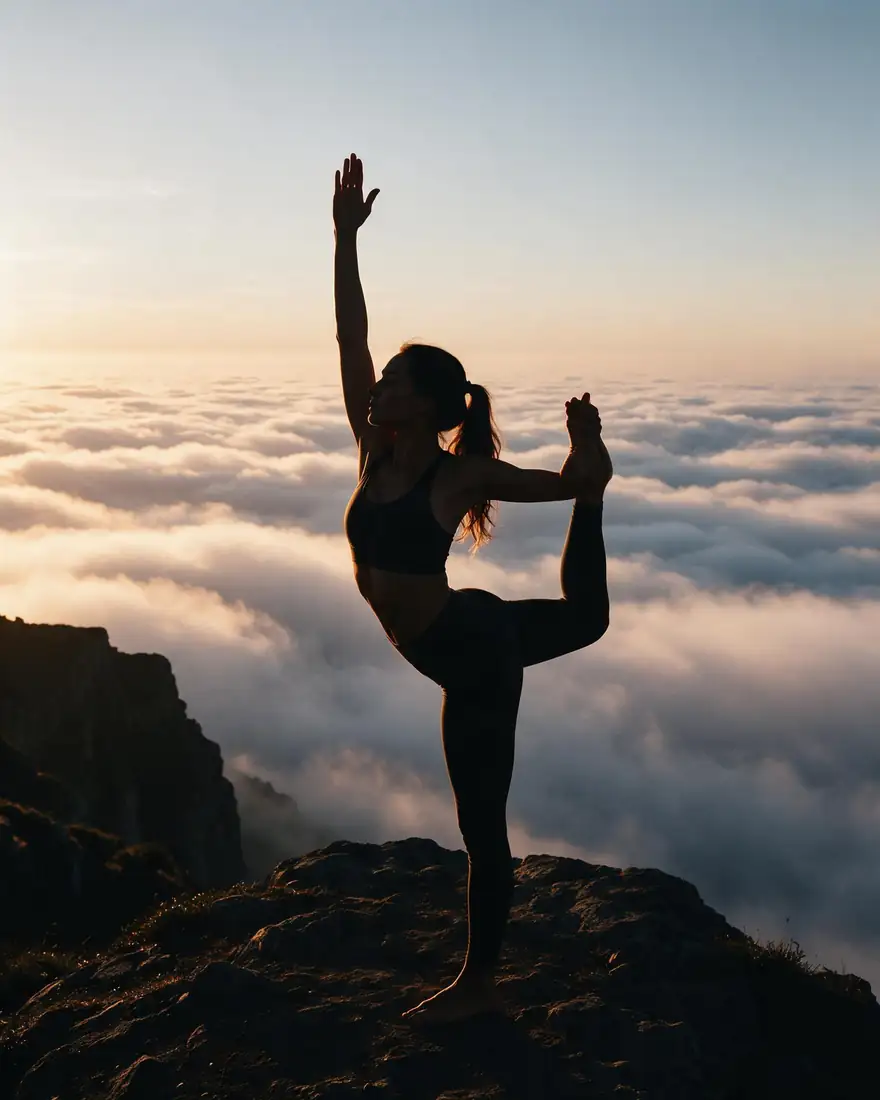
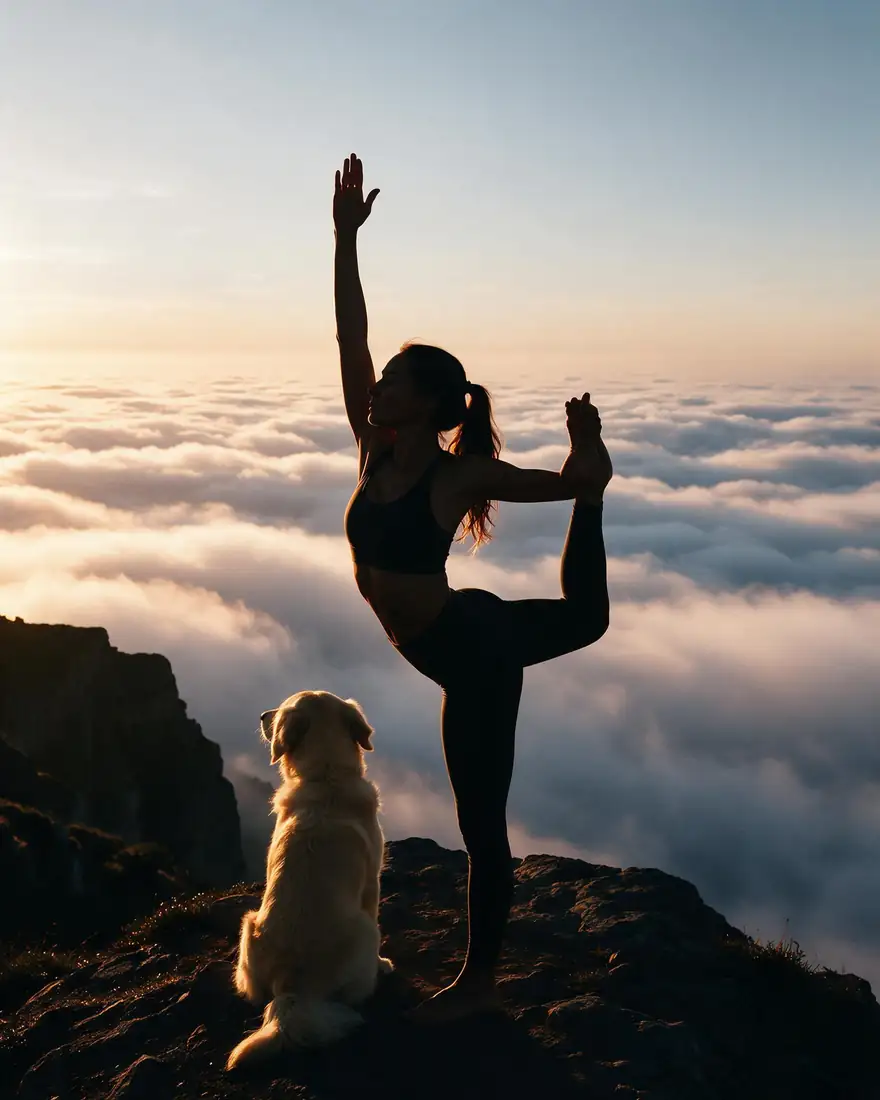



How text-instruction editing works
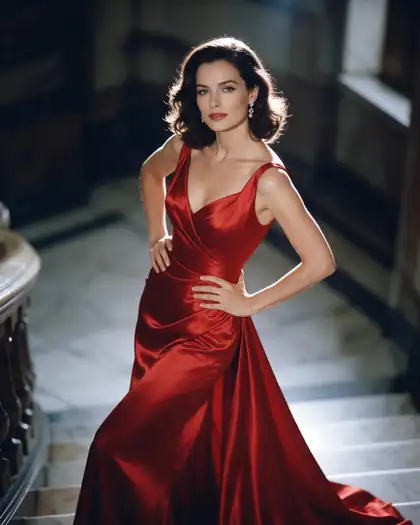
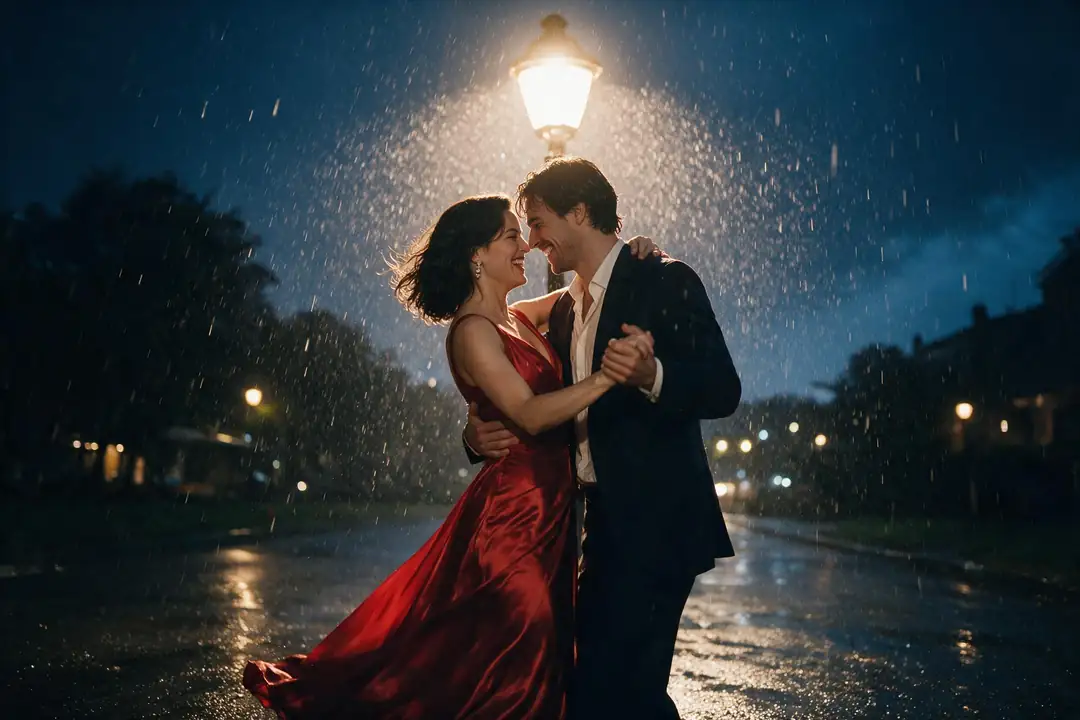
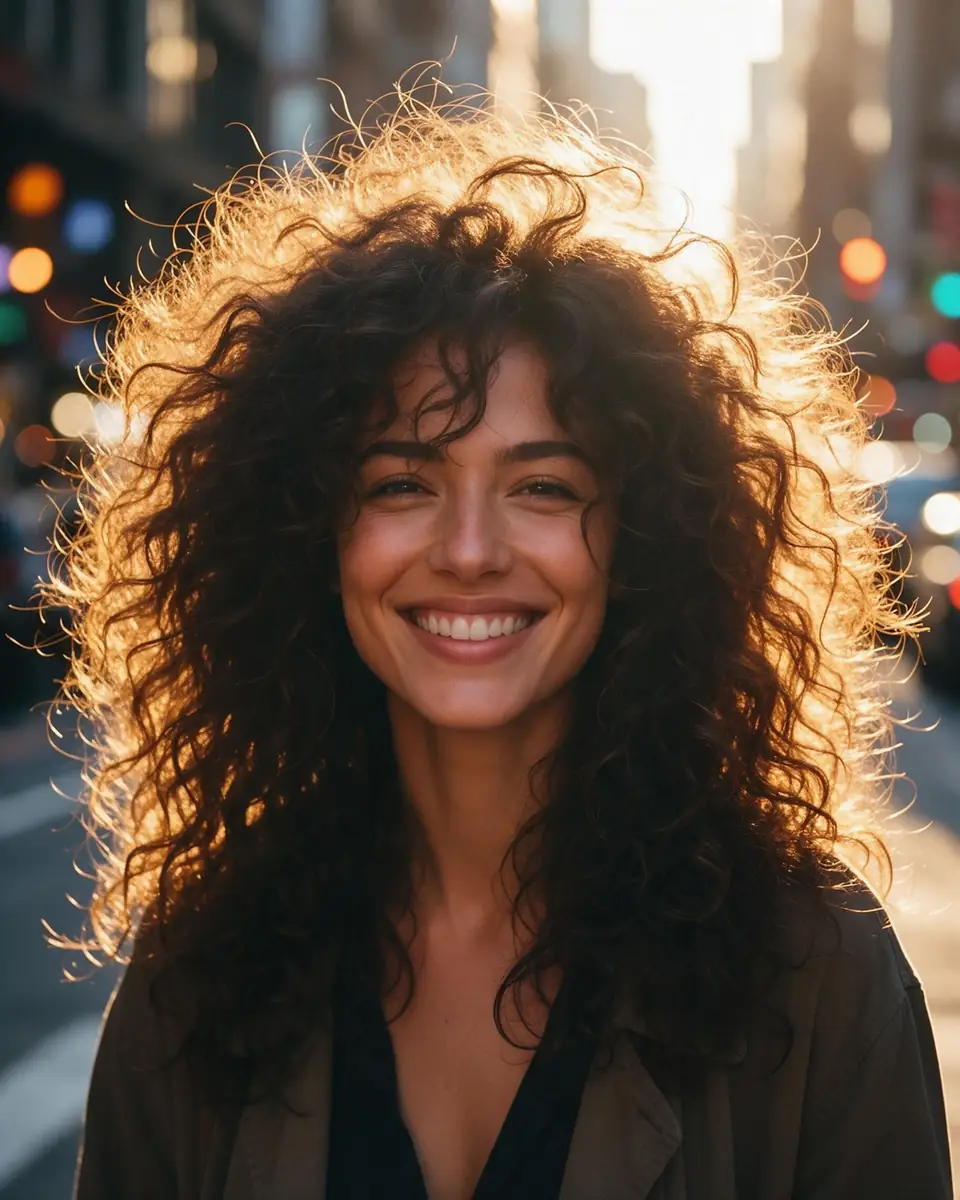
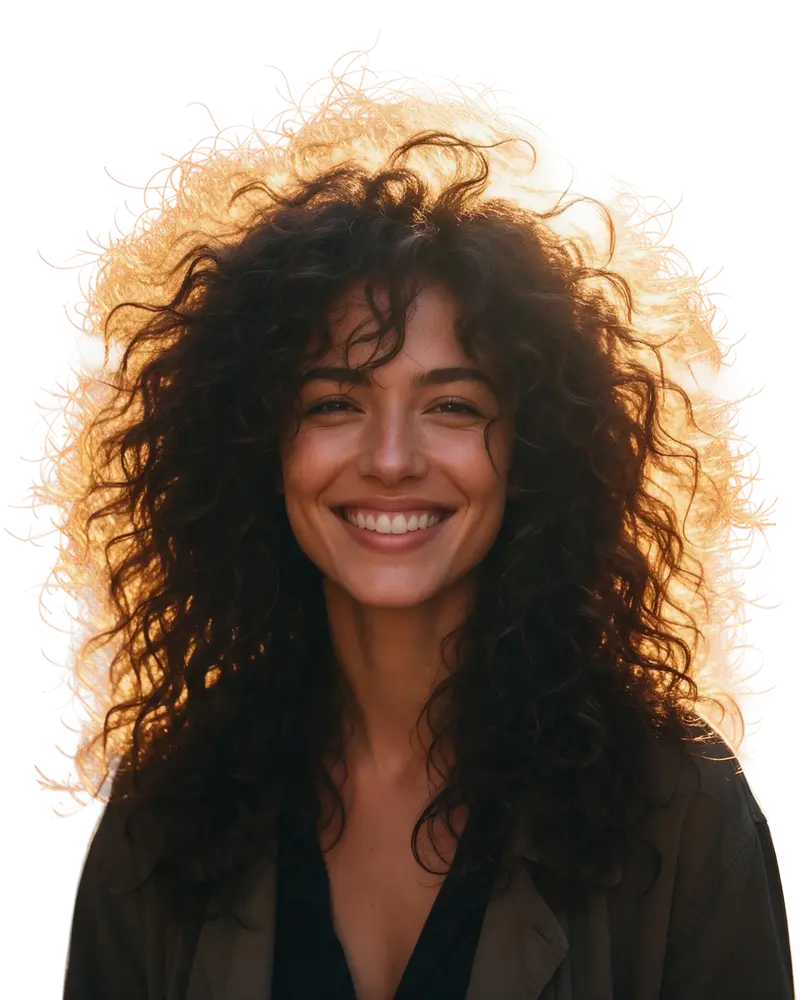
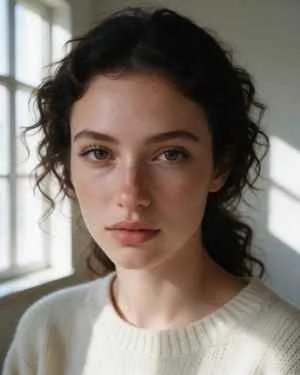
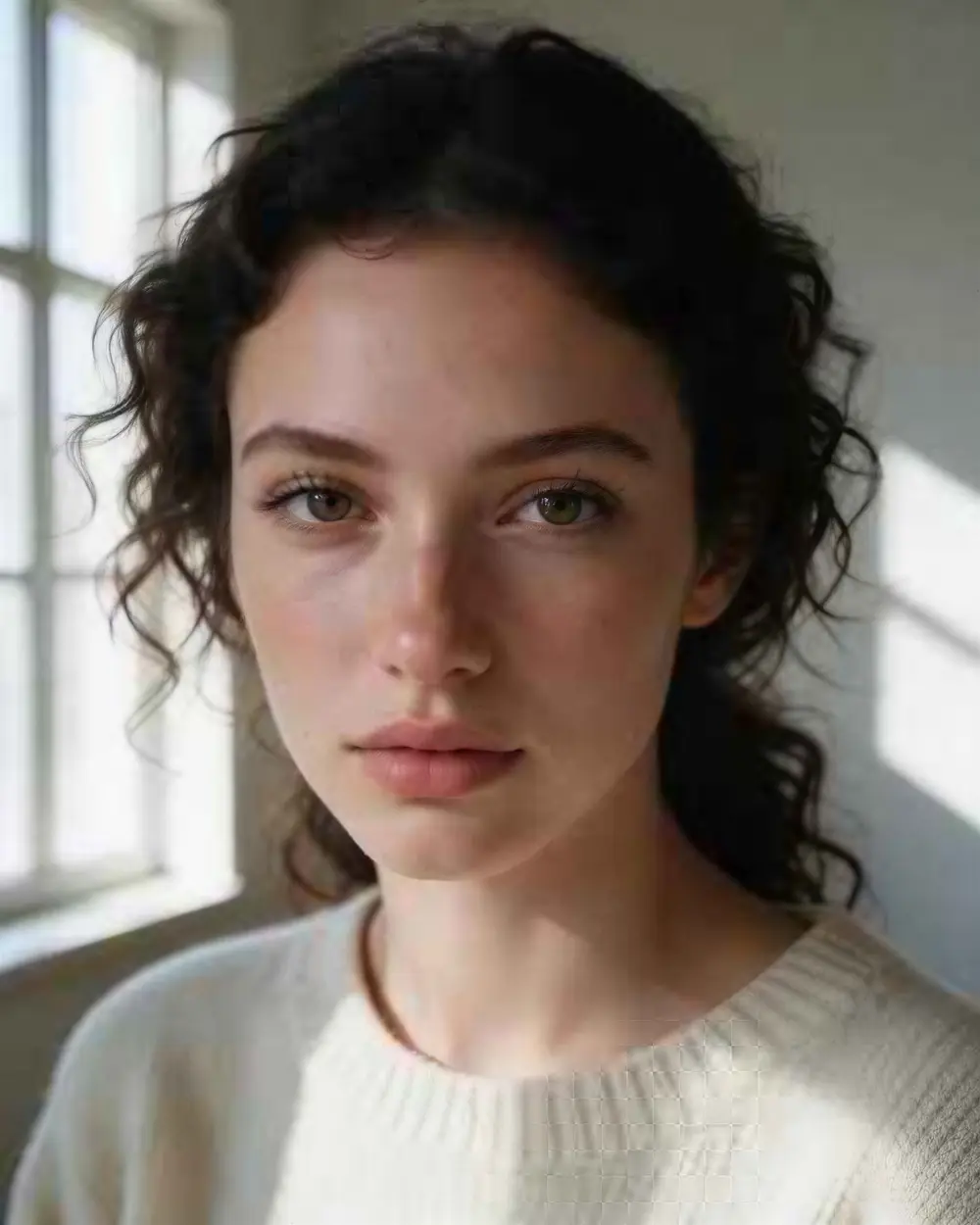
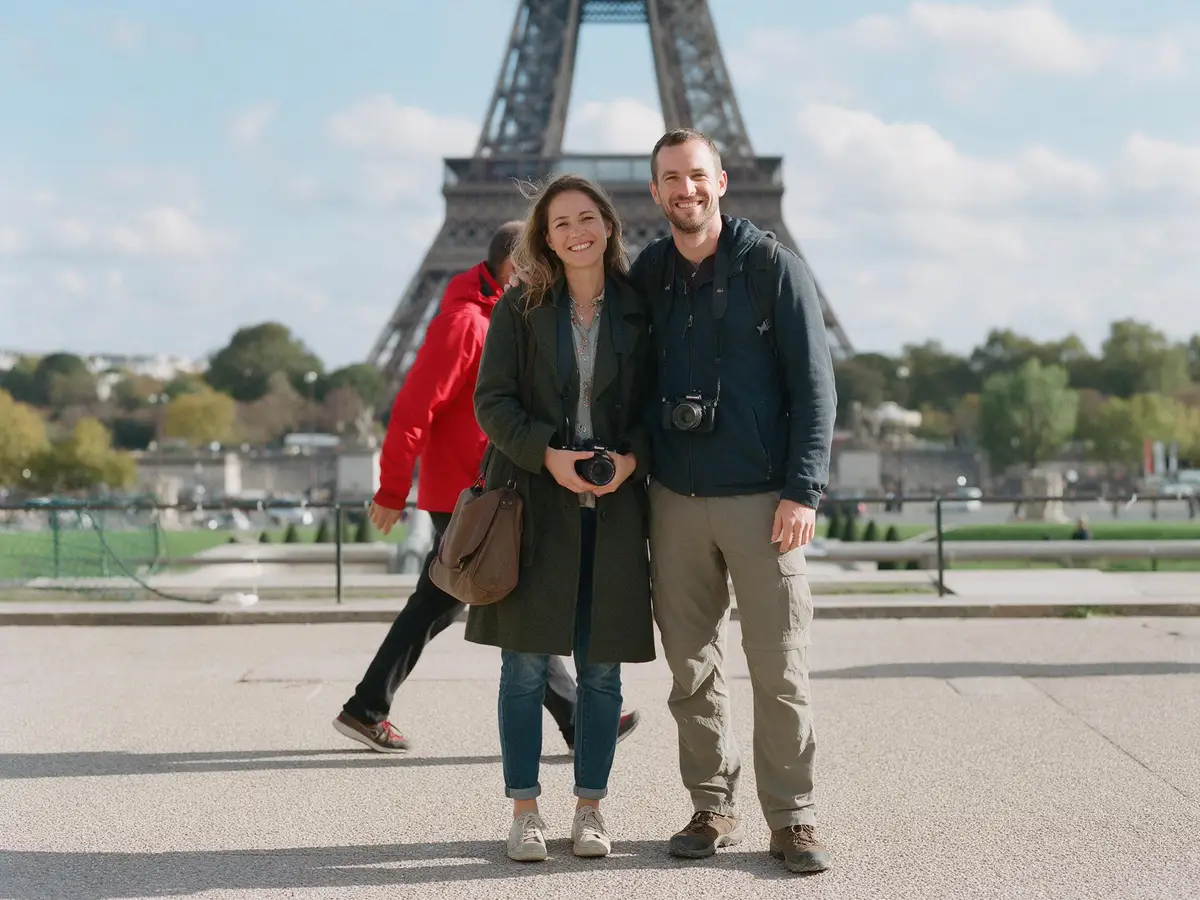
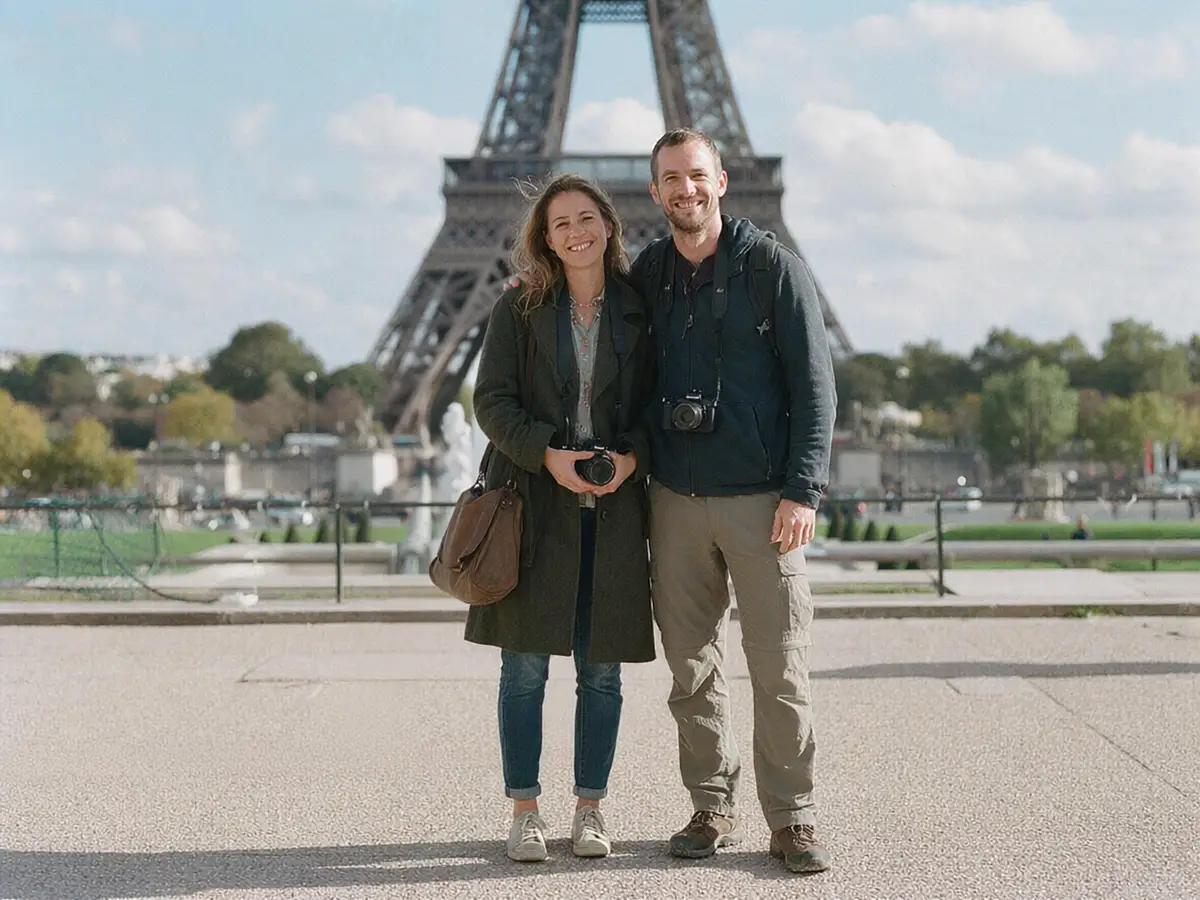
Classic editors need masks and layers. Instruction-based editors take the image plus a sentence and redraw only what the sentence asks for. The idea was popularised by InstructPix2Pix in 2022, which trained a diffusion model on pairs of images and written edit instructions so it could follow a request like “make it winter” without per-image tuning [1].
Today's models go further: Seedream 5.0 Pro and GPT Image 2 accept several reference images at once, so you can put a person from one picture into the scene of another. When you need pixel-level control, a brush mask (Change Region in Edit Studio) limits the change to the area you paint.
Getting edits that keep the face
Identity drift is the most common complaint. What helps:
- Say what must stay: “keep her face, hair and pose exactly the same”.
- Change one thing per run — outfit first, then background.
- Work at 2K when the face is small in the frame.
- Compare with the original before you download; run it again if the face has shifted.
Open vs closed models for adult edits
Every closed model reaches Kenerate through its provider, and providers keep their own safety filters: GPT Image (OpenAI), Nano Banana (Google) and Seedream (ByteDance) may decline explicit edits even though Kenerate doesn't block adult themes. Open-weight models such as Flux 2 Dev, which is also on the free plan, follow the instruction more literally.
Keeping adult edits private
Switch on Private in Advanced settings before you generate and the edit stays out of the public feed. Adult-flagged results show blurred in your own gallery grid, and results are deleted after 7 days unless you save them to the cloud — download what you want to keep. Only edit fictional characters or images you created yourself.