



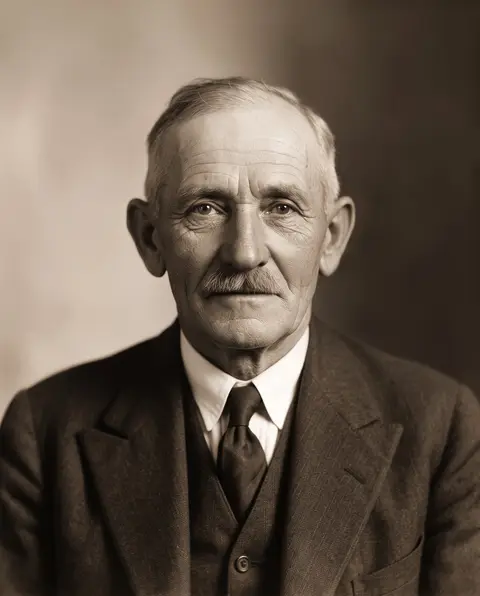

















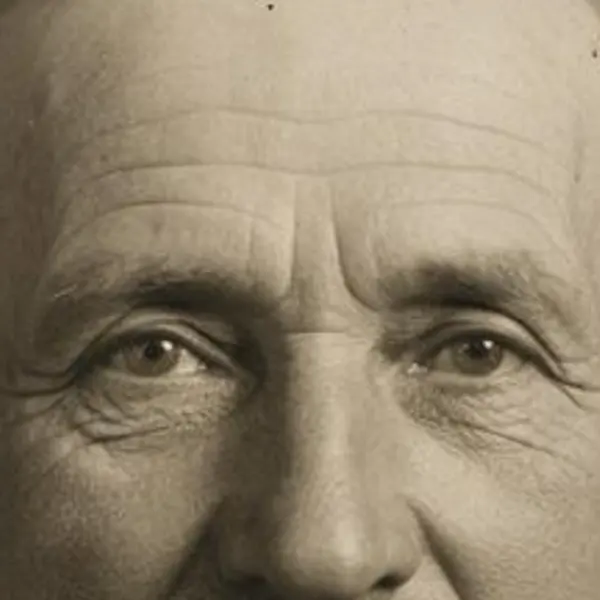
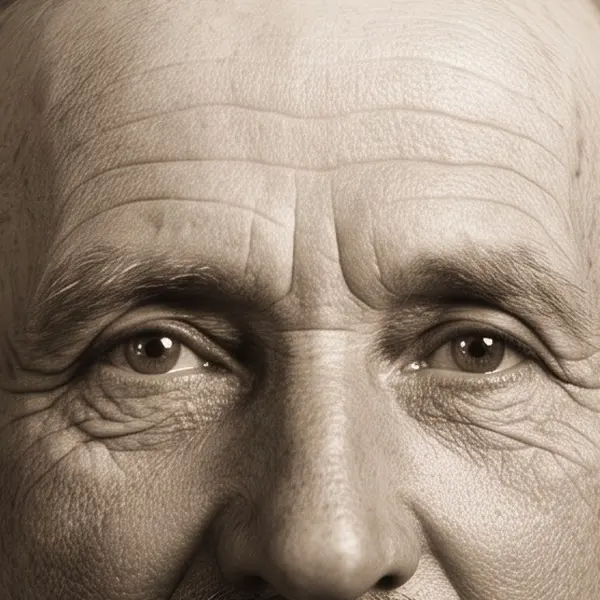





Noise: light is grainy
Adobe's Denoise team explains that light itself is noisy — the number of photons hitting each pixel varies — and the sensor's readout adds more, mostly in the shadows; high ISO and underexposure make it visible [1]. That's why night and indoor phone shots look grainy.
Blur: shutter and focus
Nikon's rule of thumb is a shutter speed of at least 1/focal length — 1/200 s at 200 mm — to avoid camera shake [2]. Slower than that, or with the focus on the wrong spot, fine detail never reaches the sensor cleanly.
Compression: detail thrown away
JPEG saves space by discarding detail; Adobe notes the loss is permanent and converting to TIFF won't restore it [3]. Messaging apps and social networks re-compress, which is why forwarded photos get worse each time.
Built-in enhancers vs a dedicated tool
Adobe's Denoise (2023) works on raw files and Super Resolution (2021) doubles width and height [1][4]; Google Photos' Unblur, launched on the Pixel 7 in 2022, reached all Google Photos users in 2024 [5]. Kenerate puts restoration, denoising and upscaling engines in one browser tool, for any photo format, on any device.