




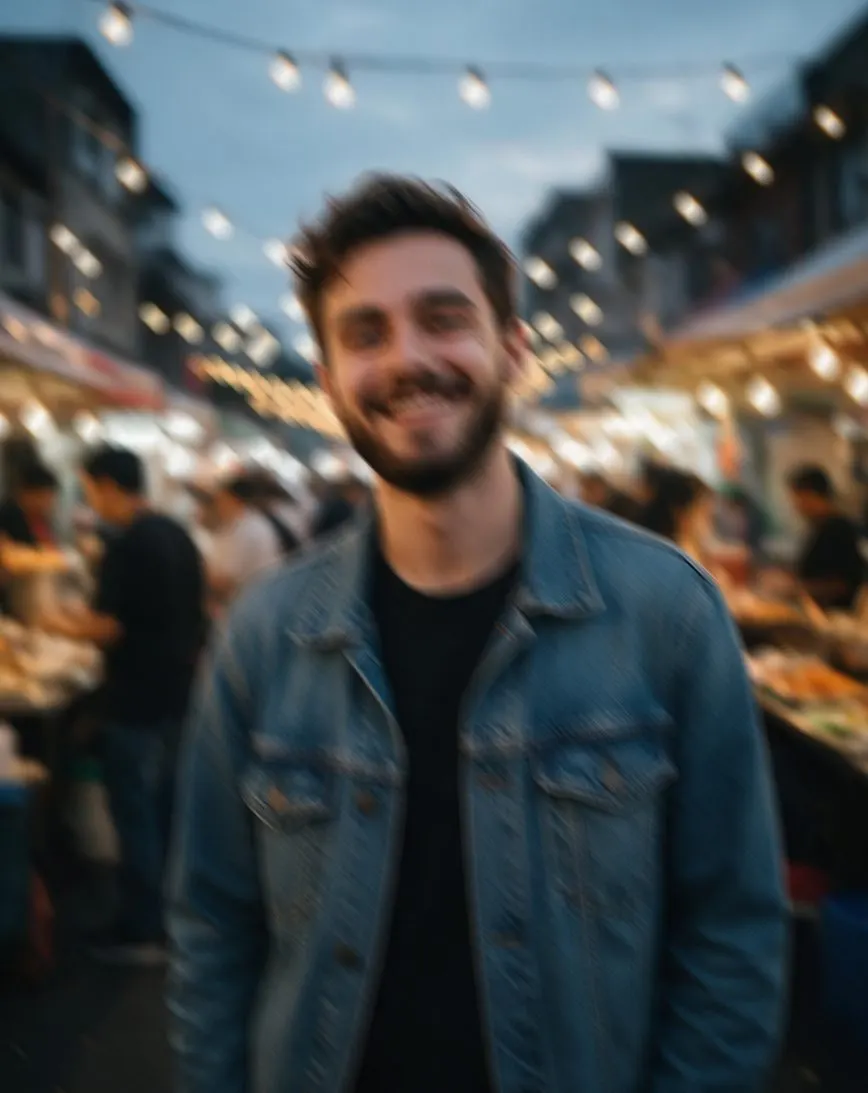















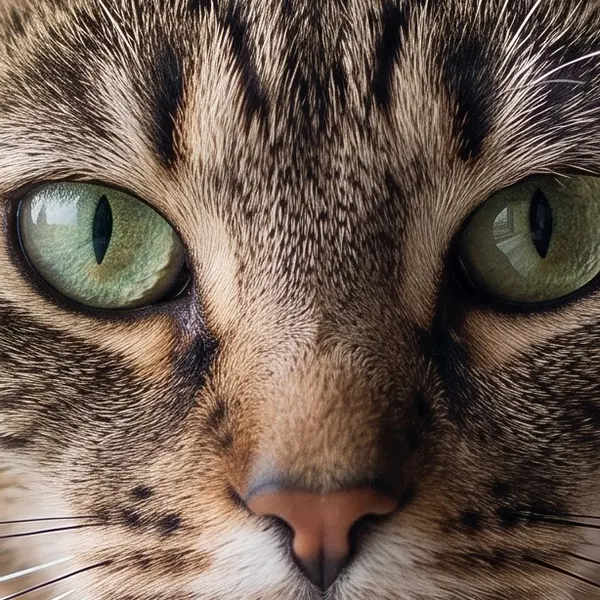




The two blurs you meet most
Camera shake comes from a shutter that is too slow for a handheld lens. Nikon's rule of thumb: at 200 mm, use 1/200 s or faster [1]; vibration-reduction lenses allow shutter speeds about 3 to 4 stops slower [2]. Missed focus is different — the lens was sharp somewhere else, so the subject sits outside the depth of field. Stabilisation doesn't help with a moving subject either; only a faster shutter freezes it.
Unblur tools have gone mainstream
Why unblurred images aren't evidence
In March 2024 a Washington State judge excluded AI-“enhanced” bystander video from a triple-murder trial, saying the tool used opaque methods to show what the model “thinks” should be shown [5]. The court found the enhancement was not peer-reviewed, reproducible or accepted by forensic video analysts; the prosecution's expert testified it added 16 times the number of pixels and changed shapes and colours [6]. Forensic guidance already says machine-learning results need human verification or corroboration before legal use [7].
For your own photos that is fine — you want a sharp picture, not proof. Just don't treat an AI-unblurred licence plate, face or document as a record of what was really there.
How the model decides what to draw
Restoration models are trained on pairs of clean and deliberately damaged images; Real-ESRGAN, for example, learned from synthetic blur, noise, resizing and JPEG damage [8]. Heavier blur leaves more to the model's judgement, and there is a proven trade-off between looking natural and staying faithful [9] — which is why two runs can differ slightly.