












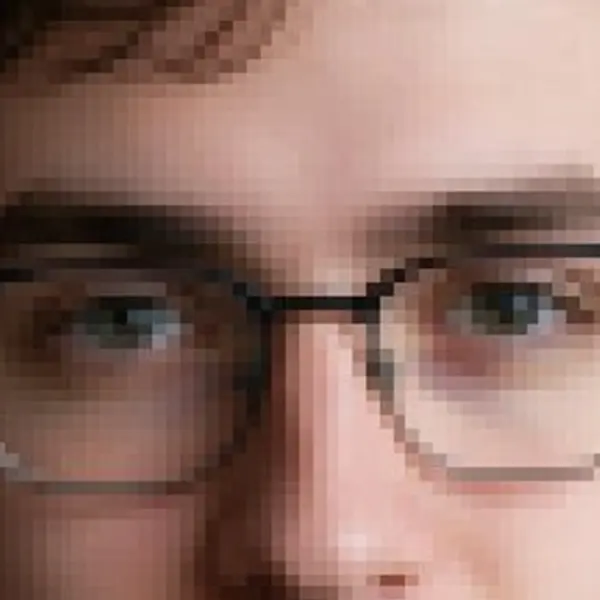
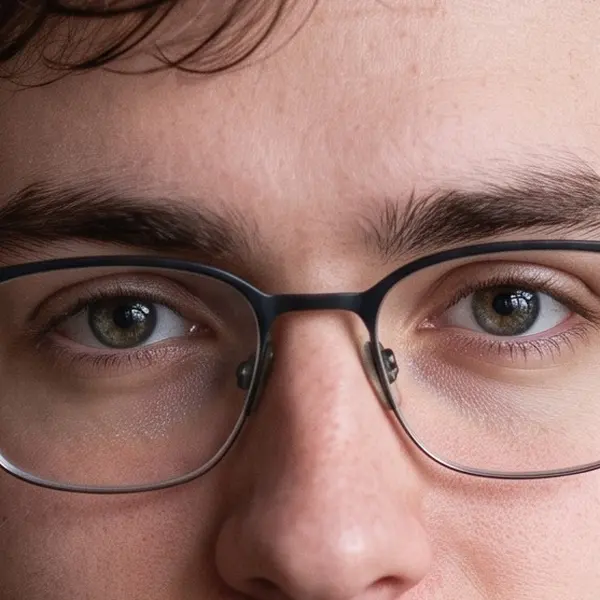
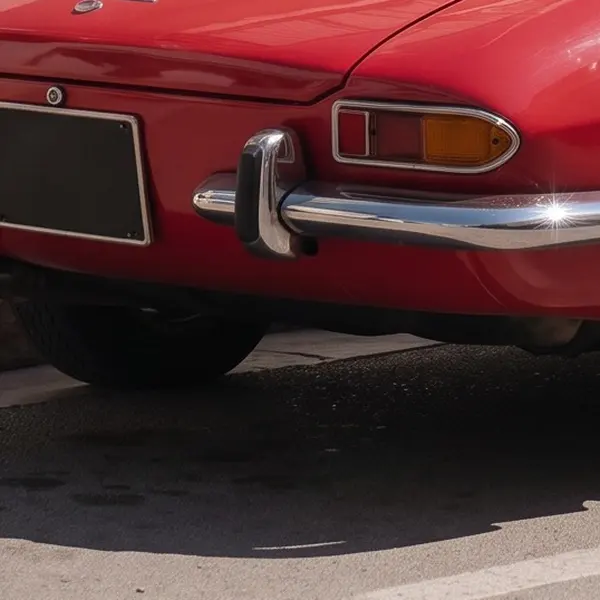
Pixelation throws information away
The PULSE lesson
When unpixelating works well
It works when the image is simply small or badly compressed and you want a pleasant, larger version: Real-ESRGAN was trained on exactly that kind of damage — blur, noise, resizing and JPEG [5]. The less information is left, the more the result is the model's guess; creative engines guess the most [2].
Can pixelated redactions be reversed?
Not by upscaling. Security researchers have shown that pixelated text can sometimes be guessed: Depix matches blocks against a reference image of the same font, size and colour [6], and Bishop Fox's Unredacter tries character guesses, pixelates each one and compares [7]. Researchers have also shown that neural networks can recognise faces through pixelation — picking among known candidates, not rebuilding the original [8].
The practical advice from those researchers is simple: to hide something, use a solid black box, never pixelation or blur [7]. An AI “unpixelate” gives a plausible picture, not the hidden original.