Shield · crest · mantling · supporters · motto
Coat of Arms Generator — the full heraldic achievement, drawn by AI
Describe a coat of arms part by part, or paste a blazon, and get the whole achievement: shield, tinctures and charges, helm, wreath and crest, mantling, supporters on their compartment and a motto scroll with the words spelled out.
- Every part of the achievement
- Blazon to image
- Mottos lettered on the scroll
- Tincture and charge charts
Updated by the Kenerate AI team




Made with Kenerate
On this page
Quick answer
What does a coat of arms generator make?
A coat of arms generator draws a complete heraldic achievement from your words: a shield in heraldic tinctures with one or more charges, a helm with wreath and crest, mantling, supporters on a compartment and a motto scroll. On Kenerate, describe each part, or paste a blazon, in Image Studio and pick GPT Image 2.6 Sunburst (15 credits at 1K). It spelled every motto and label in our eight-image gallery right first try.
Key facts
- Parts it draws
- Shield, helm, wreath, crest, mantling, supporters, compartment, motto
- Input
- Plain English or a formal blazon
- Model used here
- GPT Image 2.6 Sunburst
- Free-plan option
- Qwen Image 3.0
- Sizes
- 1K to 4K, 4:5 for full achievements
- Styles
- Painted, engraved with hatching, fantasy, flat badge
- Historical lookup
- No · new arms only
Two heraldry pages
Family crest maker or coat of arms generator?
Kenerate has two heraldry pages. Pick the one that matches what you're making.
Family crest maker
Your family name and motto on a crest for a print, invitation, reunion shirt or gift. Plain-English prompts: pick a shield, two colours, a symbol and the words.
Coat of arms generator — this page
The full heraldic achievement — shield, helm, wreath, crest, mantling, supporters, compartment and motto — with tinctures, charges and blazon-to-image for heraldry fans and world-builders.
Gallery
Coats of arms made with the AI generator
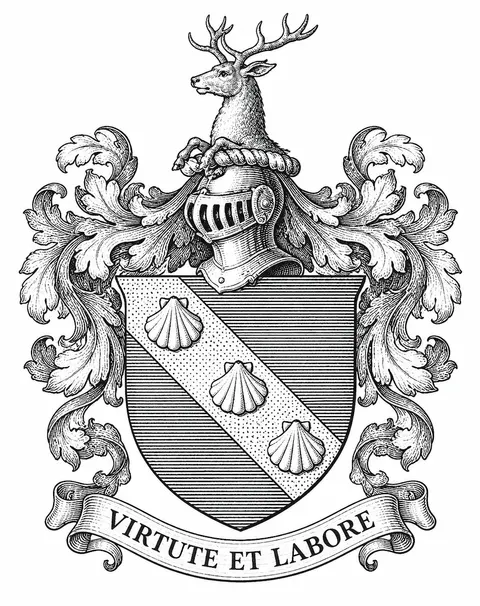
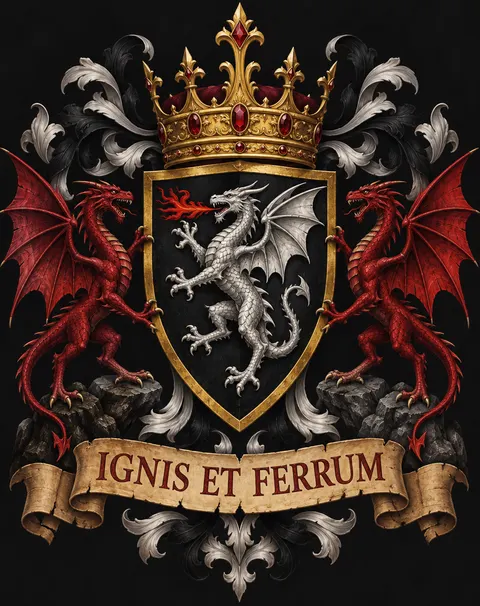
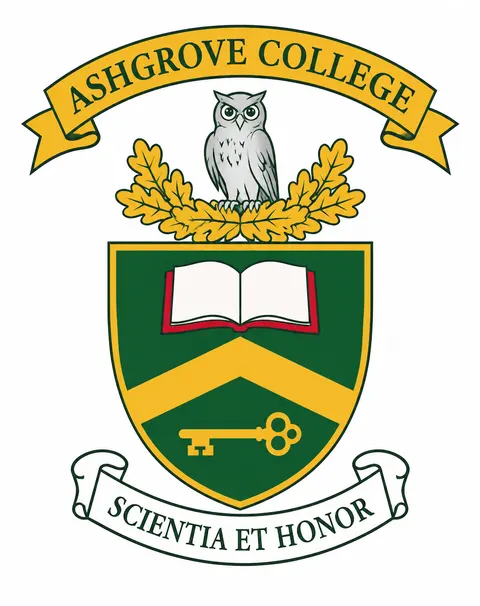
Eight real coat of arms generator results from GPT Image 2.6 Sunburst, each a single run from the prompt shown: full achievements, a labelled anatomy diagram, tincture and charge charts, a shield drawn from a blazon, an engraving with hatching, fantasy arms and a school badge. All arms are invented.
How to
How to use the coat of arms generator
- Time needed
- Steps
- 4 steps
Step 1
Open Image Studio
Press “Generate a coat of arms”. Image Studio opens with GPT Image 2.6 Sunburst and the full-achievement prompt. Sign in free with Google, GitHub or Discord.
Step 2
Describe the shield
Field tincture, an ordinary if you want one, and one to three charges, or paste a blazon followed by a plain-English description.
Step 3
Add the parts around it
Helm, wreath and crest above; mantling down the sides; supporters on a compartment; the motto in quotes on a scroll below.
Step 4
Pick the shape and style
4:5 fits a full achievement, 1:1 a shield alone. Name the style: painted, engraved with hatching, fantasy or a flat badge.
See it in the app

Open Edit Studio and upload an image, or pick one from your history.


Watch the tour · 2:01
AI Edit, Magic Eraser, Change Region, light, style, expand, camera angle & chat edits
Chapters
Tips
How to describe a coat of arms so the AI gets it right
Write it the way a herald reads it: shield first, then everything above, beside and below it.
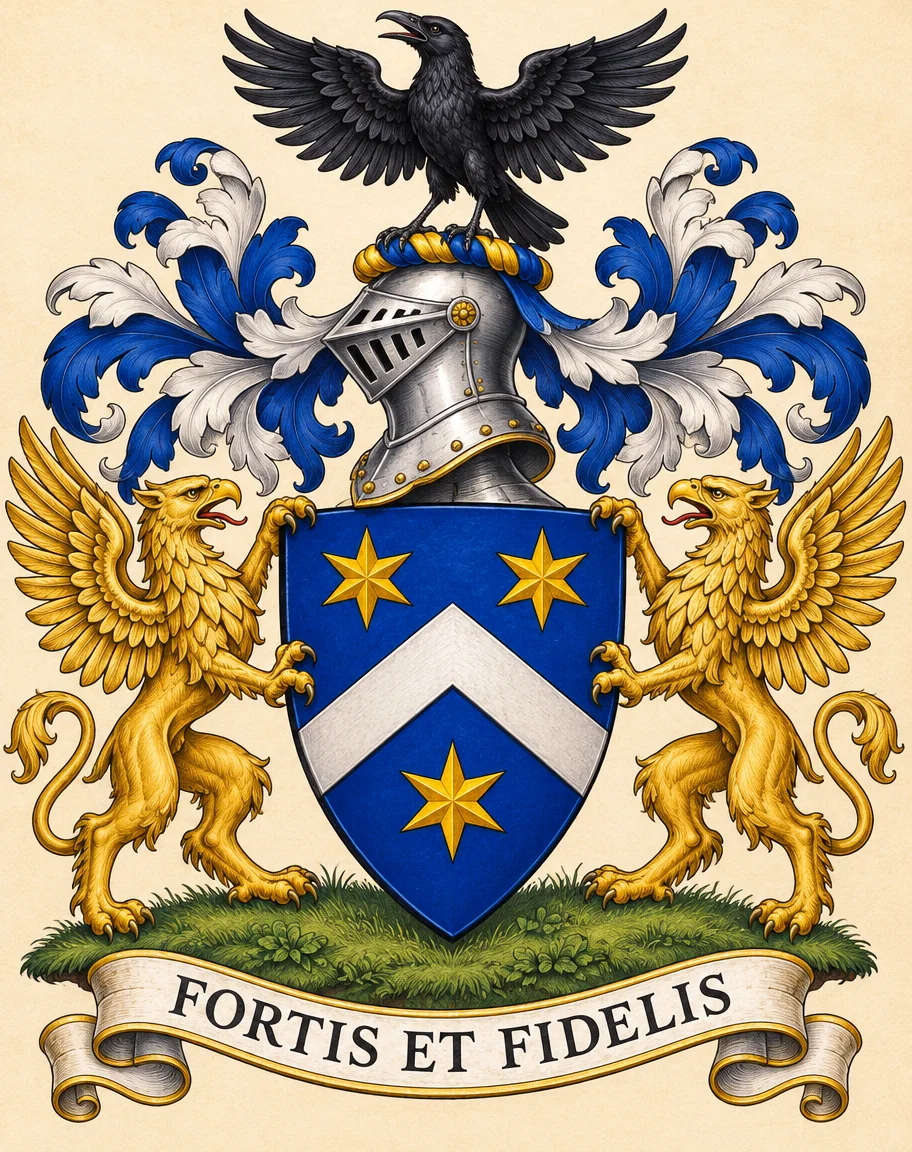
Shield: name the shape (heater, Iberian, lozenge), the field tincture, any ordinary (chevron, bend, fess, cross) and the charges with their colour and number: “azure, a chevron argent between three gold six-pointed stars”.
Keep the rule of tincture: a metal (gold or silver) on a colour, or a colour on a metal. It is also what keeps a small shield readable.
Above the shield, in order: the helm (barred, visored, facing or in profile), the wreath in the two main tinctures, then the crest figure standing on it.
Mantling in the same two tinctures as the wreath, “flowing in leafy scrolls down both sides”.
Supporters and what they stand on: “two gold griffins on a grassy mound”. Leave them out for a simpler badge.
Put the motto in quotes and capitals with “spelled exactly”, and add “no other text” so no stray words appear.
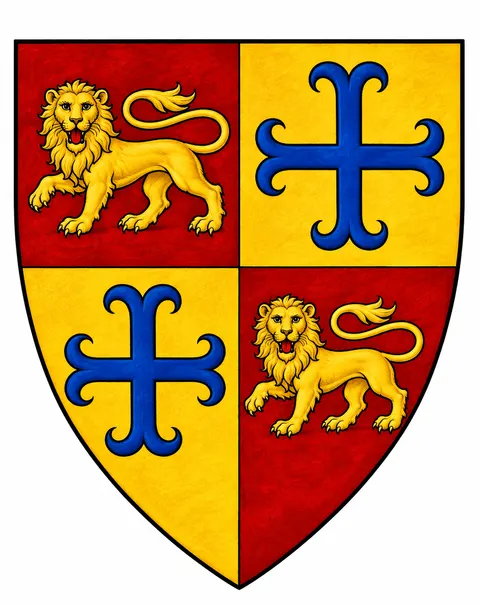
Pasting a formal blazon? Add a plain-English line after it explaining the layout; the blazon shield above was made that way.
Models
Models for coats of arms
What each model is good at. Open any one straight in the generator.
OpenAI
GPT Image 2.6 Sunburst
- Reference images
- Up to 16
- Output
- 1K to 4K
Open GPT Image 2.6 SunburstBest for
Made all eight here · mottos and labels spelled right
OpenAI
GPT Image 2
- Reference images
- Up to 16
- Output
- 1K to 4K
Open GPT Image 2Best for
Made the family crests on the family crest maker page
- Free plan
Alibaba
Qwen Image 3.0
- Reference images
- Up to 3
- Output
- 1K or 2K
Open Qwen Image 3.0Best for
Free plan · short mottos
FAQ
Coat of Arms Generator questions
10 questions

How do I generate a coat of arms with AI?
Describe it part by part in one prompt: the shield's tincture and charges, then the helm, wreath and crest, the mantling, any supporters and the motto in quotes. In Kenerate's Image Studio pick GPT Image 2.6 Sunburst, choose 4:5 for a full achievement and press Create. The eight results above each came from one run of the prompt under them.
Link to this answerWhat are the parts of a coat of arms?
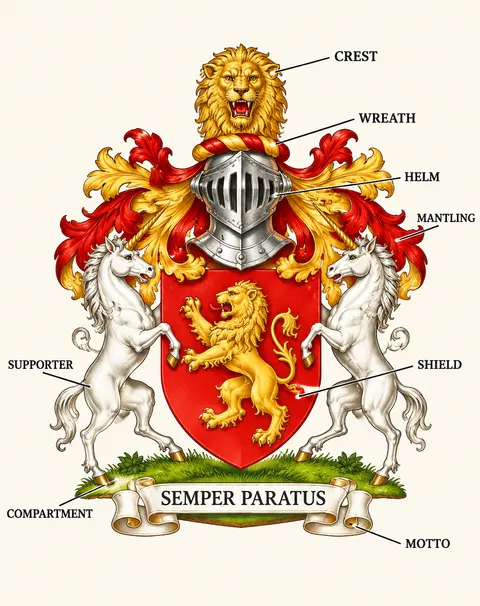
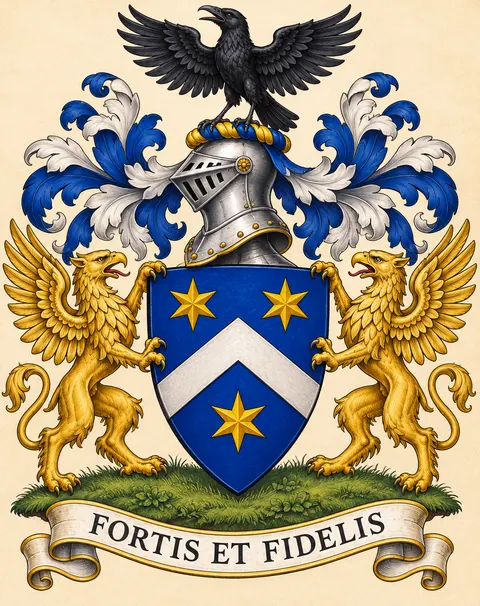
The full display is called an achievement. The shield (escutcheon) is the core; above it sit the helm, the wreath (torse) and the crest; the mantling hangs from the helm; supporters stand either side on a compartment; and the motto sits on a scroll, usually below. Only the shield is essential. The labelled diagram above shows all eight parts.
Link to this answerWhat do the colours on a coat of arms mean?
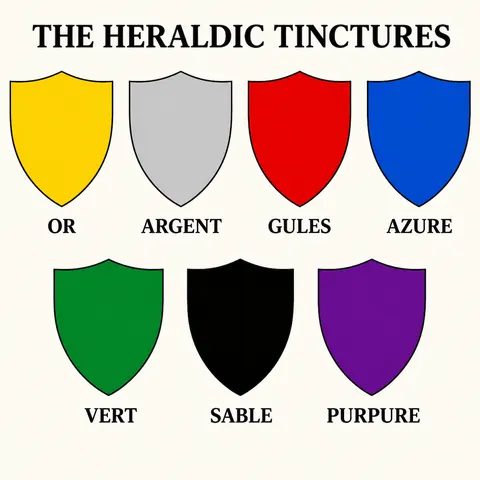
Heraldic colours are called tinctures: two metals, or (gold) and argent (silver), and five colours, gules (red), azure (blue), vert (green), sable (black) and purpure (purple), plus furs such as ermine. Popular guides give them meanings, such as red for courage, but heraldry itself assigns none officially; the hard rule is contrast, a metal on a colour or a colour on a metal.
Link to this answerWhat is a charge in heraldry?
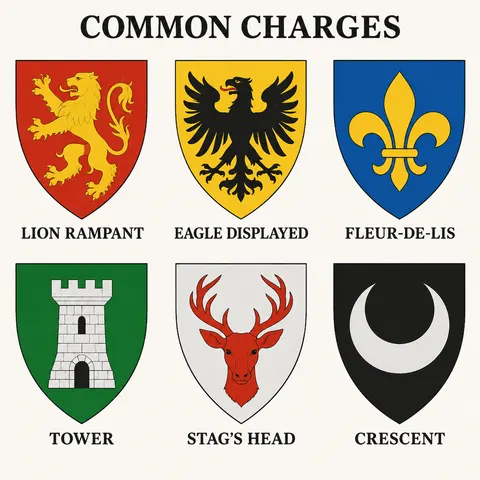
A charge is any figure placed on the shield: animals (lion rampant, eagle displayed, stag), objects (tower, key, book, scallop shell), plants (oak, rose, fleur-de-lis) and shapes (crescent, star). Simple geometric bands such as the chevron, bend and fess are a separate group called ordinaries.
Link to this answerCan it draw a coat of arms from a blazon?
Yes, with one habit: follow the blazon with a plain-English description of the layout. Our quartered shield ("Quarterly gules and or, in the first and fourth quarters a lion passant guardant or, in the second and third quarters a cross moline azure") came out right first try that way: lions walking and facing the viewer, crosses with curled ends.
Link to this answerIs there a free coat of arms generator?
Free to start. A new Kenerate account gets 25 credits, and Qwen Image 3.0, on the free plan at 9 credits an image, can draw a shield with a short motto. GPT Image 2.6 Sunburst, which made the gallery, costs 15 credits at 1K, 30 at 2K and 54 at 4K, from one-time credit packs with no subscription. Downloads have no watermark.
Link to this answerIs a coat of arms generator the same as a family crest maker?
Close, but the pages differ on Kenerate. This coat of arms generator draws the full heraldic achievement and works from tinctures, charges or a formal blazon. If you just want your family name and motto on a crest for a print or gift, the family crest maker page walks you through it in plain English. Both use the same image models.
Link to this answerCan I generate my family's real coat of arms?
No. The generator designs new arms from your description; it doesn't look up historical arms, and arms belong to a person, not a surname. To design a crest for your family name, see the family crest maker. Using these designs is fine for prints, games and gifts, but they are not an official grant of arms.
Link to this answerCan I make a fantasy or kingdom coat of arms?
Yes. Name the realm, pick a creature and a motto: the Eldmoor arms above asked for a silver dragon, a crown, red wyvern supporters and "IGNIS ET FERRUM". One honest miss: the supporters came out as four-legged dragons rather than two-legged wyverns, so say "two legs only" if the difference matters to you.
Link to this answerHow do I make a black-and-white coat of arms?
Ask for an engraving with heraldic hatching, where lines and dots stand for colours: horizontal lines for azure, dots for or, plain white for argent. Our engraved example used exactly those three and kept them right. It prints well in one colour and works for stamps, letterheads and laser engraving.
Link to this answerIn depth
Coat of Arms Generator, explained
What works, what to avoid, and how to pick a model.
On this page
The heraldic achievement, part by part
A full coat of arms, the achievement, is read from the shield outwards. Each part has a name you can use in a prompt:
- Shield (escutcheon): the field, its tinctures, any ordinary and the charges. The only essential part.
- Helm: the helmet above the shield. Barred, visored or open, facing the viewer or in profile.
- Wreath (torse): a twisted roll of cloth on the helm, usually in the two main tinctures.
- Crest: the figure standing on the wreath, such as a raven, a lion's head or a demi-stag.
- Mantling: the cloth hanging from the helm, drawn as leafy scrolls in the same two tinctures.
- Supporters: figures either side holding the shield up, such as griffins, unicorns or lions.
- Compartment: the ground the supporters stand on, often a grassy mound or rocks.
- Motto: a short phrase on a scroll, traditionally Latin, usually below the shield.
Tinctures and the rule of tincture
Heraldry uses two metals, or (gold) and argent (silver), and five main colours: gules (red), azure (blue), vert (green), sable (black) and purpure (purple), plus furs such as ermine and vair. The rule of tincture says metal should not go on metal nor colour on colour, which keeps a coat of arms readable from a distance.
In one-colour print, tinctures are shown by hatching: dots for or, plain for argent, horizontal lines for azure, vertical lines for gules, diagonal lines for vert and purpure, and cross-hatching for sable. Ask for “heraldic hatching” and name the tinctures to get an engraved look.
Charges and ordinaries
Ordinaries are the simple bands: the chief (top band), fess (horizontal band), pale (vertical band), bend (diagonal, top-left to bottom-right as you look at it), chevron, cross and saltire (X). Charges are the figures: beasts in set postures (a lion rampant rears up, passant walks, guardant faces the viewer), birds (an eagle displayed has spread wings), objects and plants.
Numbers and placement matter: “three stars, two above and one below the chevron” reads differently from three stars in a row. Say the count and where each goes.
Reading and writing a blazon
A blazon is the formal description of arms in a fixed order: the field first, then the main charge or ordinary, then lesser charges, each followed by its tincture. “Azure, a chevron argent between three mullets of six points or” means a blue shield with a silver chevron and three gold six-pointed stars, which is the shield of the raven-crest achievement above.
Image models read plain English more reliably than blazon, so the best prompt gives both: the blazon for precision and a sentence that spells out the layout.
What we got
Eight images, made 17 November 2026, each a single GPT Image 2.6 Sunburst run at medium quality and 1K.
- All five mottos, the seven tincture names, the six charge names and the eight anatomy labels were spelled right first time.
- The engraving used the hatching we asked for: horizontal lines for azure, dots for or, plain for argent.
- Misses: the Eldmoor supporters came out as four-legged dragons, not two-legged wyverns, and two leader lines on the diagram end at the edge of their part rather than its middle.
- Every name (Ravensworth, Eldmoor, Ashgrove College) is invented for the prompt, and none of the arms copies a real grant.
By the Kenerate AI teamLast updated and reviewed
We build and run the Kenerate generator. Every example is a real output of the model named under it; models and presets were checked against the app's code.
Sources: Wikipedia — Achievement (heraldry) · Wikipedia — Tincture (heraldry) · Wikipedia — Charge (heraldry) · Wikipedia — Blazon · Kenerate Image Studio